Ukraine cede Donbas is a contentious topic as the US suggests territorial concessions for NATO membership. This proposal raises significant concerns regarding Ukraine’s sovereignty and security.
Background of the Donbas Conflict
The Donbas region, located in eastern Ukraine, has been a focal point of conflict since 2014. This area, comprising the Donetsk and Luhansk oblasts, has seen significant military engagement between Ukrainian forces and separatist groups backed by Russia. The origins of the conflict can be traced back to Ukraine’s political shift towards the West, which sparked unrest among pro-Russian factions.
The suggestion that Ukraine cede parts of Donbas to Russia has emerged amid discussions regarding the country’s potential NATO membership. Supporters argue that such a concession could pave the way for Ukraine’s integration into the alliance, while critics warn that it may embolden Russian aggression and undermine Ukraine’s sovereignty.
Throughout the conflict, numerous ceasefires have been attempted, yet the situation remains volatile. The international community continues to monitor developments closely, as the implications of any territorial adjustments are profound.
- The geopolitical stakes are high: NATO’s eastward expansion is viewed with suspicion by Russia.
- Humanitarian concerns: The ongoing conflict has displaced millions and created a humanitarian crisis.
US Proposal Explained
The recent proposal from the United States has sparked significant debate regarding the future of Ukraine and its territorial integrity. This suggestion implies that Ukraine cede parts of the Donbas region to Russia, which is seen as a pathway for Ukraine to secure NATO membership.
Key elements of the proposal include:
- Territorial Compromise: The U.S. believes that ceding portions of Donbas could help de-escalate tensions and facilitate dialogue with Russia.
- NATO Membership Acceleration: By agreeing to this cession, Ukraine may fast-track its application to join NATO, gaining military and economic support from Western nations.
- Security Guarantees: In exchange for territorial concessions, Ukraine would receive stronger security assurances from NATO allies.
However, this approach raises concerns among some Ukrainian officials and citizens. They argue that ceding Donbas would set a dangerous precedent, undermining Ukraine’s sovereignty and emboldening further Russian aggression. The debate continues as the implications of such a significant decision weigh heavily on Ukraine’s future and its aspirations for NATO membership.
Implications for NATO Membership
The suggestion that Ukraine cede parts of Donbas to Russia in exchange for NATO membership raises significant implications for the alliance. This proposal has sparked intense debate among NATO member states, highlighting the complexities of security guarantees in Eastern Europe.
One major concern is the precedent it sets for future territorial disputes. If Ukraine were to cede Donbas, it could embolden other nations with territorial ambitions, undermining the principle of sovereignty that NATO stands for. Furthermore, such a move might be perceived as a weakness, potentially destabilizing the region and encouraging further aggression from Russia.
Additionally, there are internal implications for Ukraine’s political landscape. Ceding Donbas could fuel domestic unrest and challenge the legitimacy of the government, as many Ukrainians view the region as integral to their national identity. The decision could also influence public opinion regarding NATO membership, with citizens questioning the value of joining an alliance that appears to compromise their territorial integrity.
Ultimately, the proposal presents a complex dilemma, weighing the need for security against the risks of ceding territory.
Reactions from Ukraine and Russia
The suggestion that Ukraine cede parts of Donbas to Russia has elicited strong reactions from both Ukrainian officials and Russian authorities. Ukrainian President Volodymyr Zelensky expressed deep concern over the proposal, stating that any territorial concessions would undermine Ukraine’s sovereignty and embolden Russian aggression. He emphasized the importance of maintaining Ukraine’s territorial integrity as a prerequisite for NATO membership.
In contrast, Russian officials welcomed the idea, viewing it as an opportunity to solidify their claims over the contested region. Kremlin spokesperson Dmitry Peskov remarked that ceding parts of Donbas would be a step towards resolving the ongoing conflict and stabilizing the region. However, many analysts warn that such concessions could set a dangerous precedent, potentially leading to further territorial demands from Russia.
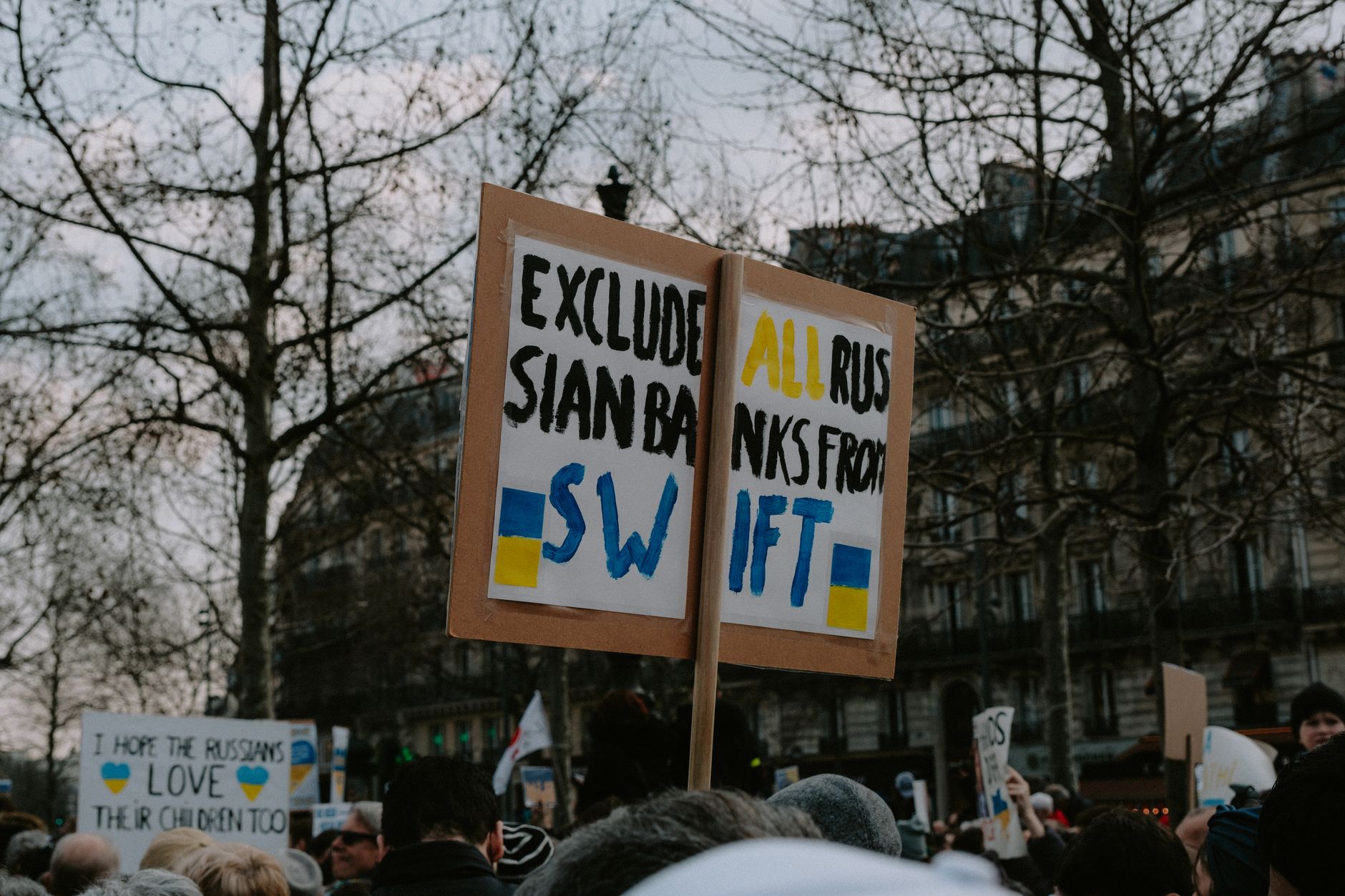
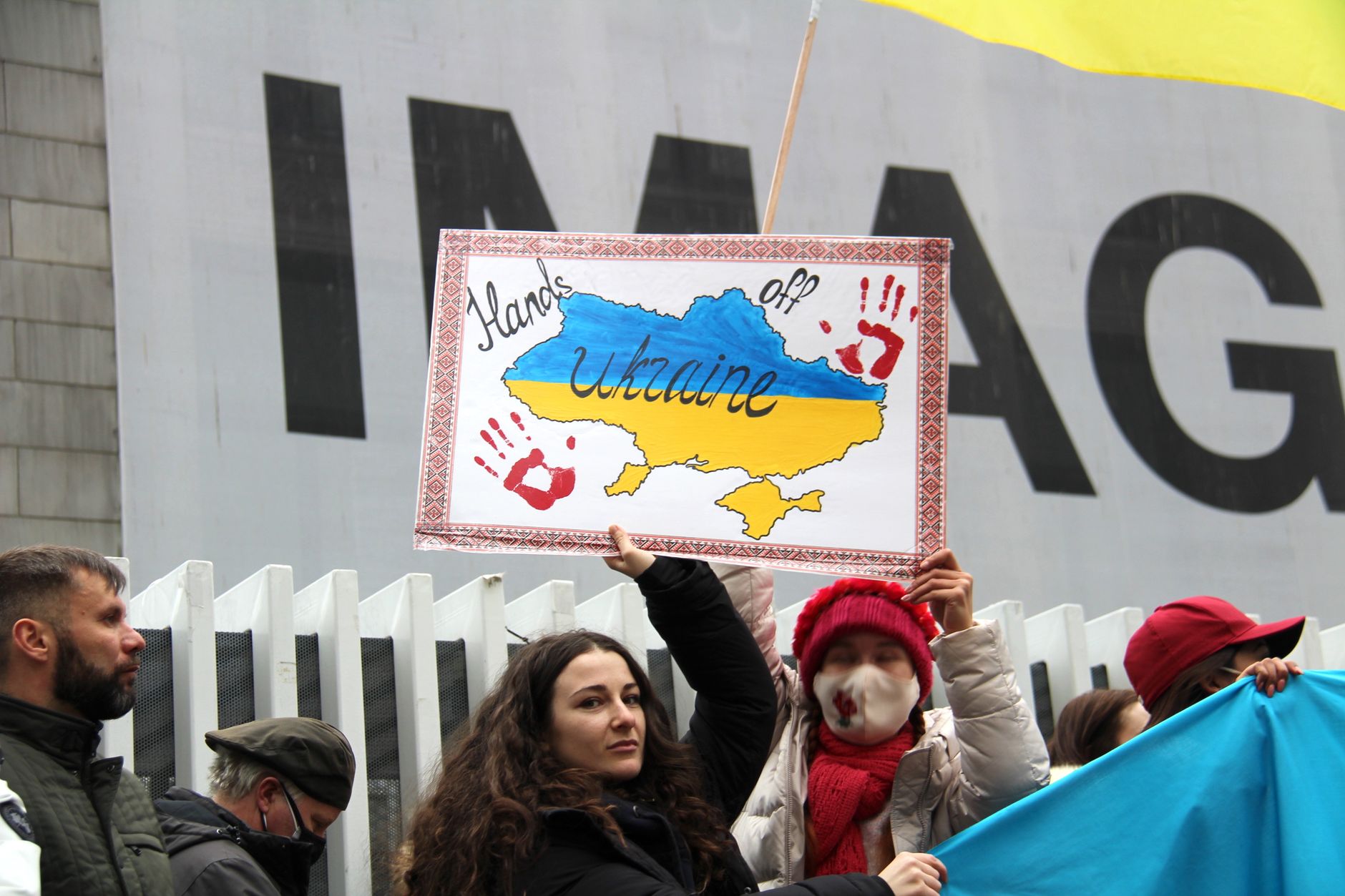
Public sentiment in Ukraine is largely against the notion of ceding any territory, with many citizens viewing it as capitulation to foreign aggression. Activists and political leaders have rallied to reject the proposal, stressing the need for a united front against external pressures. As the debate continues, the implications of NATO membership remain a contentious topic in both countries.
International Community’s Stance
The international community’s response to the prospect of Ukraine ceding parts of Donbas has been mixed, highlighting the complex geopolitical landscape surrounding the conflict. Key players have expressed concerns about the implications such a move would have on regional stability and international law.
Many Western nations, while supportive of Ukraine’s sovereignty, recognize the delicate balance of power in Eastern Europe. Some analysts argue that ceding Donbas could set a dangerous precedent, potentially encouraging further territorial claims by Russia. The following points summarize the predominant views:
- Support for Sovereignty: Most countries advocate for Ukraine’s territorial integrity and oppose any forced cessions.
- Security Concerns: Several NATO members fear that conceding Donbas could embolden Russia’s aggressive posture in the region.
- Diplomatic Solutions: There is a growing call for negotiations that prioritize a peaceful resolution rather than forced territorial adjustments.
As discussions continue, the potential for Ukraine to cede Donbas remains a contentious issue, with far-reaching implications for the country’s future and its NATO aspirations.
Future of Ukraine’s Territorial Integrity
The future of Ukraine’s territorial integrity remains uncertain amid ongoing discussions about potential compromises regarding the Donbas region. As Ukraine considers the implications of NATO membership, the suggestion to cede parts of Donbas to Russia has raised significant concerns. Many fear that such concessions could set a dangerous precedent, further undermining Ukraine’s sovereignty.
Key factors influencing Ukraine’s decision include:
- International pressure to stabilize the region and enhance security commitments through NATO.
- The potential for economic and military support from NATO allies, contingent on territorial compromises.
- Public sentiment in Ukraine, which largely opposes any cession of land to Russia.
- The risk of increased aggression from Russia if Ukraine appears willing to negotiate away its territories.
Moreover, ceding parts of Donbas could embolden other separatist movements in the region, challenging the notion of a unified Ukraine. As the situation evolves, the balance between securing NATO membership and maintaining territorial integrity will remain a contentious issue for Ukrainian leaders and citizens alike.
The decision to allow Ukraine cede Donbas could have far-reaching implications for NATO’s credibility in Eastern Europe. As tensions rise, the question remains whether NATO membership can effectively deter further aggression if Ukraine cede Donbas to Russia.
Photo by Sima Ghaffarzadeh on Pexels
Sources
Related reading
2024 elections legitimacy: Is it really proven or wrong? · Jensen Huang Ouster: Was It the Worst Decision for Nvidia? · Primate brain development: Proven insights into evolution