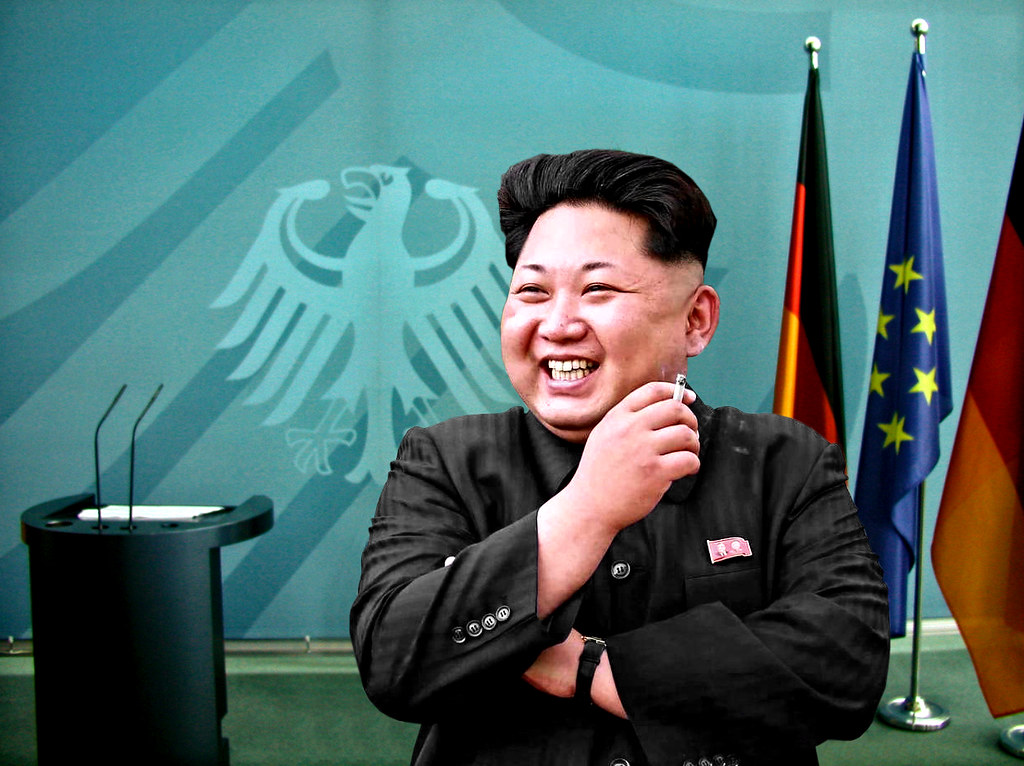
Kim Jong Un visit has been extensively reported by North Korean media, showcasing the strong ties and ‘blood alliance’ with China.
Overview of Kim Jong Un’s Visit
Kim Jong Un’s visit to Dandong has been a focal point of recent discussions, particularly in the context of North Korea’s relationship with China. The trip, which marks a significant diplomatic gesture, has been extensively reported by North Korean media, emphasizing the deep-rooted ties between the two nations. This visit is seen as a reaffirmation of their “blood alliance,” a term that symbolizes the historical and ideological connections between North Korea and China.
During his time in Dandong, Kim Jong Un engaged in talks with Chinese officials, highlighting key areas of cooperation. The agenda included discussions on economic collaboration, security, and mutual support in the face of international challenges. The North Korean leader’s presence in China signals a commitment to strengthening bilateral relations, as both countries navigate a complex geopolitical landscape.
Key takeaways from Kim Jong Un’s visit include:
- Strengthened economic ties between North Korea and China.
- Joint initiatives aimed at regional stability.
- A renewed commitment to their historical alliance.
Overall, the visit underscores the importance of the alliance in promoting mutual interests and addressing shared concerns.
Implications of the China-North Korea Alliance
The recent Kim Jong Un visit to Dandong has significant implications for regional stability and international relations. The collaboration between North Korea and China continues to strengthen, reinforcing their longstanding alliance, often referred to as a “blood alliance.” This partnership may lead to increased economic cooperation and military collaboration, potentially altering the balance of power in East Asia.
Several key factors highlight the implications of this alliance:
- Economic Synergy: The visit underscores the potential for enhanced trade agreements and joint ventures, particularly in sectors such as energy and infrastructure.
- Military Cooperation: Closer ties may facilitate shared military technology and strategic operations, raising concerns for neighboring countries.
- Geopolitical Dynamics: The strengthening of the China-North Korea alliance could challenge the influence of the United States and its allies in the region.
- Regional Stability: While some analysts view this partnership as a threat, others argue it may lead to a more balanced approach to diplomacy in Northeast Asia.
As the world watches, the Kim Jong Un visit could mark a pivotal moment in shaping future interactions between these two nations and their global counterparts.
Media Coverage in North Korea
The media coverage in North Korea surrounding Kim Jong Un’s visit to Dandong has been extensive and overwhelmingly positive. State-run outlets have portrayed the visit as a significant event that reinforces the strong alliance between North Korea and China.
North Korean news agencies emphasized the theme of a “blood alliance” between the two nations, underscoring their shared history and mutual support. Reports highlighted various aspects of the visit, including:
- The warm welcome Kim Jong Un received from Chinese officials.
- Discussions on economic cooperation and security matters.
- Joint cultural events that symbolize unity.
Furthermore, the coverage depicted Kim Jong Un as a pivotal figure in maintaining this alliance, suggesting that his leadership is crucial for North Korea’s future stability and prosperity. Analysts note that such media narratives serve to bolster Kim’s image domestically, portraying him as a leader who is effectively managing foreign relations in favor of the nation.
Overall, the portrayal of Kim Jong Un’s visit illustrates a strategic effort to strengthen national pride and reaffirm the importance of the China-North Korea alliance in the face of international challenges.
Historical Context of Relations
The historical context of relations between North Korea and China is rooted in a complex interplay of political, economic, and military factors. Since the Korean War, both nations have forged a partnership that has endured through various global challenges. This relationship has often been described as a “blood alliance,” reflecting the deep ties formed during times of conflict.
In recent years, the dynamics of this alliance have evolved, particularly under Kim Jong Un’s leadership. His visit to China has symbolized a renewed commitment to strengthening these ties, especially in the face of international sanctions and diplomatic isolation. As North Korea seeks to bolster its economy and military capabilities, China’s support remains crucial.
Historically, China has provided North Korea with vital economic aid, while North Korea offers China a buffer against Western influence in the region. This mutual dependence has led to a series of high-level meetings and agreements aimed at solidifying their strategic partnership.
As the world watches Kim Jong Un’s visit unfold, it serves as a reminder of the longstanding alliance between the two nations and the potential implications for regional stability and security.
The Kim Jong Un visit to Beijing underscored the deepening ties between North Korea and China, showcasing a united front against external pressures. Observers noted that the Kim Jong Un visit marked a significant step in solidifying their strategic partnership.
By driver Photographer via Openverse