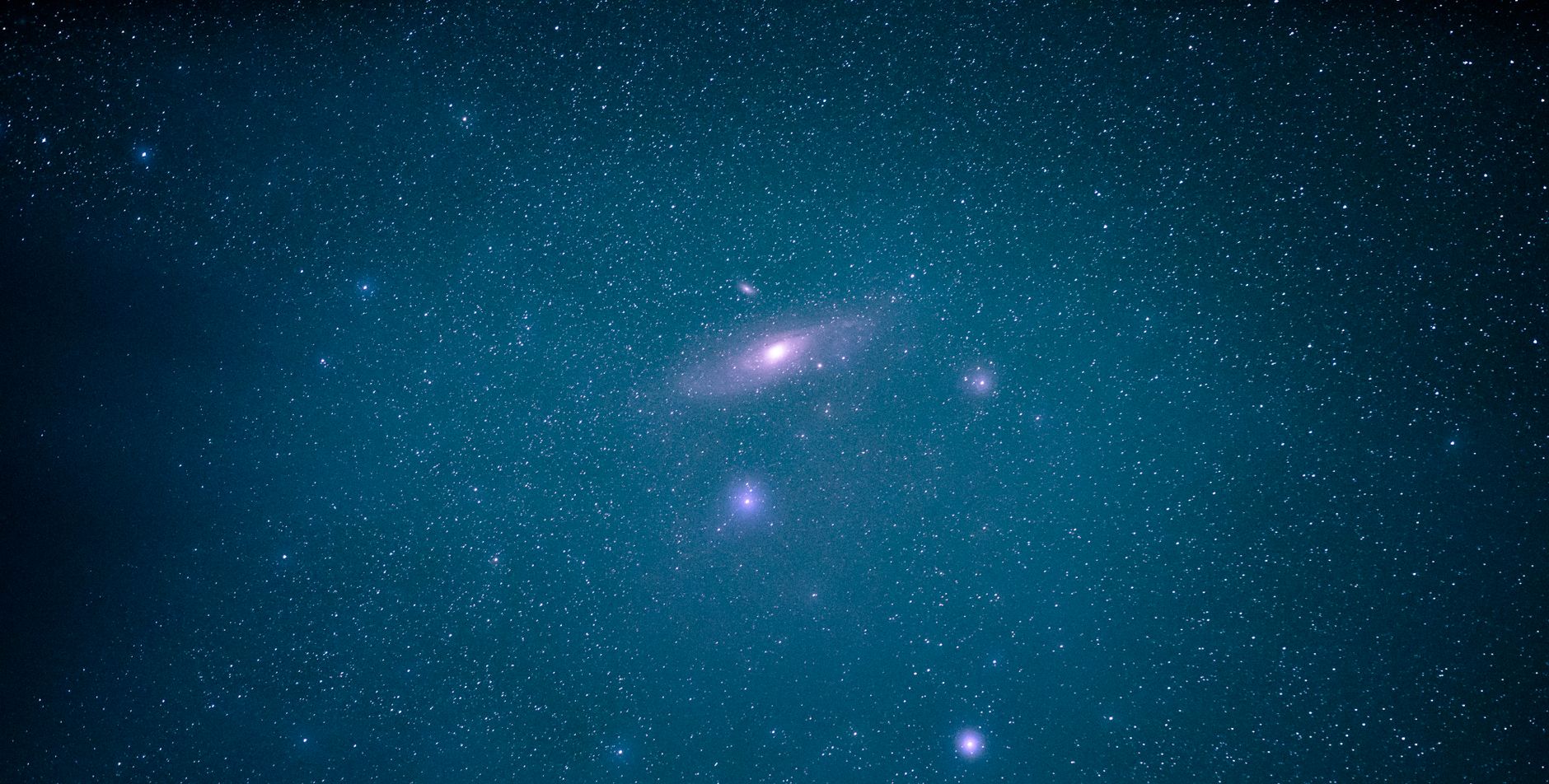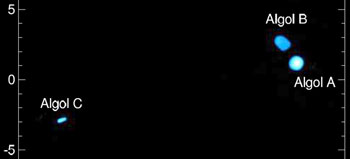
The triple star system is a remarkable discovery that has left astronomers baffled. Located 28 light-years away, this astronomical find comes with no clear explanation for its formation.
What is a Triple Star System?
A triple star system consists of three stars that are gravitationally bound to one another, orbiting a common center of mass. This unique formation can vary in its configuration, sometimes featuring three stars of similar mass or a combination of different types, such as a main sequence star paired with a red dwarf.
In the recent discovery of a rare triple star system located 28 light-years away, astronomers are faced with the challenge of understanding its origins. The configuration of such systems can provide essential insights into the formation and evolution of stars in the universe.
Experts have noted several key characteristics that define a triple star system:
- Orbital Dynamics: The stars in these systems interact through their gravitational forces, leading to complex orbital patterns.
- Formation Theories: Various theories have been proposed about how these systems form, including the possibility of stars coalescing from a common gas cloud.
- Stability: The stability of a triple star system can be affected by the mass and distance between the stars, influencing their long-term evolution.
Despite these insights, the discovery has left scientists with more questions than answers, indicating that the mechanisms behind the formation of this particular triple star system remain elusive.
How Was the Discovery Made?
A recent discovery has unveiled a rare triple star system located 28 light-years from Earth, capturing the attention of astronomers worldwide. The breakthrough came from a combination of advanced observational techniques and data analysis. Researchers utilized both ground and space-based telescopes to monitor the celestial body’s movements and light patterns.
The team focused on identifying anomalies in the light emitted by the stars, which indicated that multiple stellar bodies were interacting in ways that are not yet fully understood. By applying sophisticated algorithms to the collected data, they were able to deduce the gravitational influences at play within the system.
One significant aspect of the discovery was the use of the Kepler Space Telescope, which has been instrumental in identifying various exoplanets and star systems. With its high sensitivity, it allowed astronomers to capture minute changes in brightness, leading to the identification of the triple star formation.
Despite the exciting findings, researchers admitted that there is no clean explanation for how this unique configuration came to exist. Theories range from the possibility of stellar mergers to complex gravitational interactions. As scientists continue to study this triple star system, they hope to unlock more secrets about its origin and evolution, potentially reshaping our understanding of stellar formations.
The Significance of This Find
The discovery of a new triple star system located just 28 light-years away has significant implications for our understanding of stellar formation and evolution. This system challenges existing theories and raises questions about how such configurations are formed in the universe.
Firstly, triple star systems are relatively rare compared to binary systems, which are more common. The formation mechanisms for these systems remain poorly understood, leading astronomers to reevaluate their models. The presence of three stars in such close proximity suggests complex gravitational interactions that have yet to be fully explained.
Additionally, the characteristics of this new system could provide insights into the life cycles of stars. For instance, researchers are interested in how the gravitational forces between the stars influence their development and the eventual fate of each star within the system. Understanding these dynamics may help clarify how multiple star systems evolve over millions of years.
Moreover, this discovery has implications beyond astronomy. It ignites curiosity about the potential for habitable planets within the system and the conditions that might exist there. As scientists continue to study the triple star system, they hope to uncover more about the mysteries of the universe and the processes that shape it.
Challenges in Understanding Formation
The discovery of a new triple star system has left astronomers puzzled, as they grapple with the complexities of its formation. Despite advancements in astrophysical research, the mechanisms that lead to the creation of such systems remain largely unclear.
Several theories have been proposed, but none have been definitively proven. Some scientists suggest that the triple star system could have formed from a dense cluster of stars undergoing gravitational interactions. Others hypothesize that it might have originated from the remnants of a larger star system that fragmented over time. However, these theories are often fraught with uncertainties and inconsistencies.
Key challenges in understanding this triple star system arise from:
- Gravitational Dynamics: The interactions between three stars can be highly complex, making it difficult to model their formation accurately.
- Observational Limitations: Current telescopes may not have the resolution needed to capture the intricate details of such systems.
- Lack of Similar Cases: There are few well-documented examples of triple star systems, which makes comparative analysis challenging.
As astronomers continue to collect data and refine their models, the quest to understand the formation of this mysterious triple star system highlights the ongoing challenges faced in the field of astrophysics.
Astronomers’ Theories on Formation
Astronomers have proposed several theories to explain the formation of the recently discovered triple star system, located 28 light-years from Earth. However, no single explanation has garnered universal acceptance among the scientific community.
One prominent theory suggests that the system may have formed from a dense region of gas and dust, where gravitational forces led to the clumping of materials. Over time, this accumulation could result in the birth of multiple stars. Researchers are particularly intrigued by the possibility that this process could create not just binary systems, but also stable triple star systems. Yet, the exact mechanics remain elusive.
Another hypothesis posits that the triple star system could have originated from the interaction of two binary systems, which merged over time. This scenario raises questions about the stability of such configurations. The dynamics involved in merging systems are complex, and further studies are needed to determine if this could be a feasible pathway for the formation of multiple stars.
Additionally, some astronomers consider the role of environmental factors, such as nearby supernovae or the gravitational influence of other stars, in shaping these systems. The interplay of these forces may contribute to the formation and evolution of triple star systems, but the specifics continue to challenge researchers.
As investigations proceed, astronomers remain hopeful that future observations will provide deeper insights into the origins of this remarkable triple star system.
Future Research Directions
As astronomers continue to grapple with the complexities of the newly discovered triple star system, future research directions are beginning to emerge. Scientists are eager to delve deeper into the characteristics of this unique configuration, which challenges existing theories of star formation and evolution.
One key area of focus will be the system’s stellar dynamics. Researchers plan to conduct extensive simulations to understand the gravitational interactions between the three stars and how they might influence each other’s orbits. This could provide insights into the long-term stability of such systems and whether they could host planets.
Additionally, astronomers will utilize a variety of observational techniques, including advanced spectroscopy and imaging, to gather data on the individual stars’ compositions and ages. By examining their chemical make-up, scientists hope to uncover clues about their formation pathways and how they differ from single or binary star systems.
Furthermore, collaboration with international space agencies may open new avenues for research. Space telescopes could provide a clearer view of the triple star system, allowing for more detailed studies that ground-based telescopes cannot achieve.
In summary, the discovery of this triple star system not only raises questions but also paves the way for exciting future investigations that could reshape our understanding of the universe.
Conclusion and Implications
The discovery of a rare triple star system located 28 light-years away has opened new avenues for scientific inquiry, yet it has also highlighted significant gaps in our understanding of stellar formation. Despite extensive research, astronomers have yet to provide a clear explanation for the presence of three stars in such proximity to each other.
The implications of this discovery extend beyond just the realm of astronomy. Understanding how such systems form can provide insights into the dynamics of star formation in our galaxy and beyond. As researchers continue to investigate this triple star system, they will need to address the challenges posed by the conflicting theories that exist in current literature.
- New observational technologies may allow for deeper analysis of the system’s characteristics.
- Researchers are considering collaborations with other scientific disciplines to develop comprehensive models.
- Future missions to gather data from similar systems could shed light on the formation processes.
As we await further findings, the scientific community is encouraged to remain open to new ideas and theories. Each discovery, including this triple star system, serves as a reminder of the complexity and wonder of the universe. As we continue to explore, we may uncover answers that could reshape our understanding of stellar evolution.
By Dr Fabien Baron, Dept. of Astronomy, University of Michigan, Ann Arbor, MI 48109-1090 via Openverse