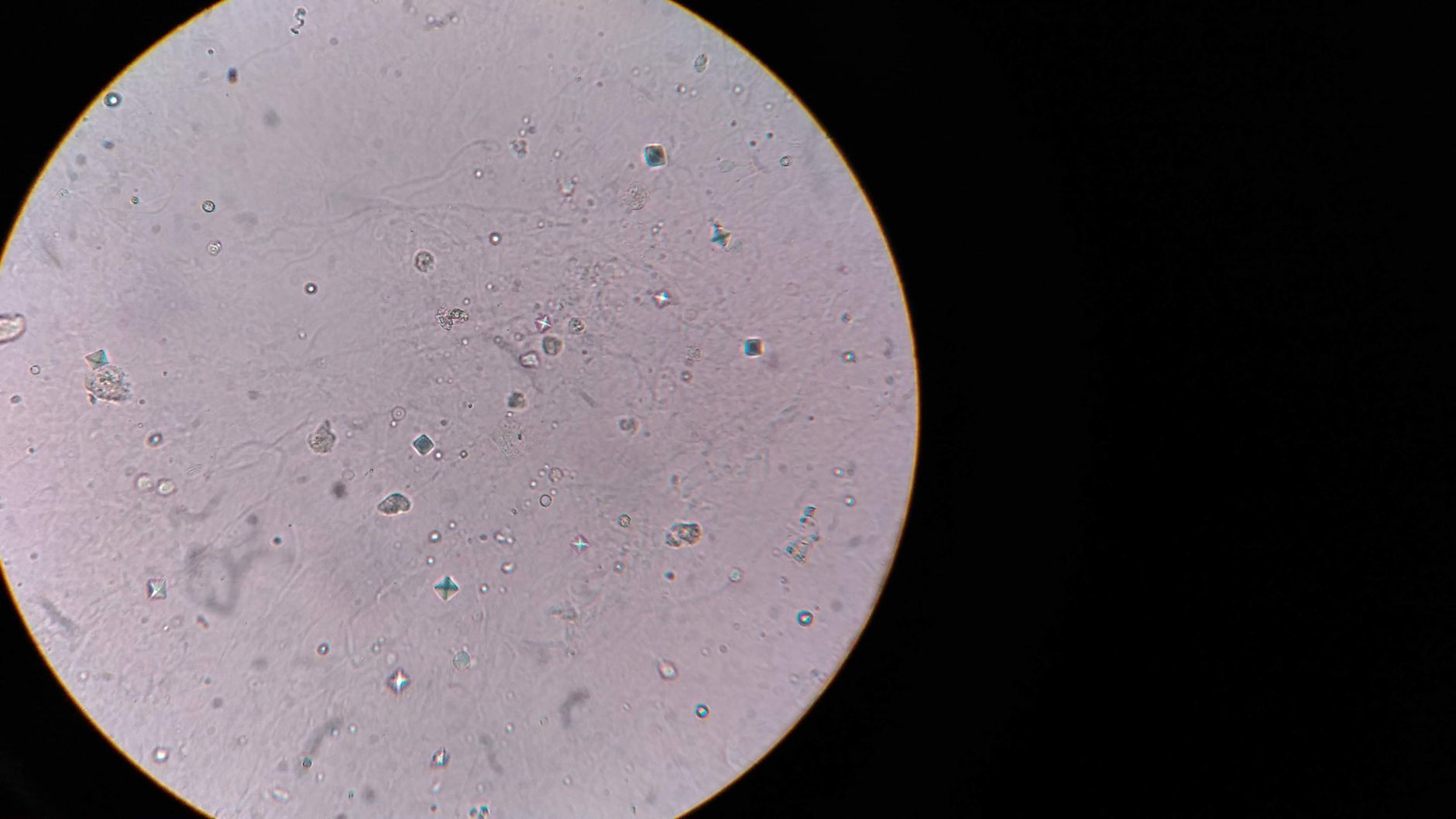
asteroid Bennu samples have provided researchers with valuable insights, as they compare their amino acids with those from a 1969 meteorite. This groundbreaking study sheds light on the origins of life.
NASA’s Mission to Asteroid Bennu
NASA’s mission to asteroid Bennu has yielded groundbreaking results, significantly enhancing our understanding of the solar system’s origins. The spacecraft, OSIRIS-REx, successfully collected samples from the surface of Bennu and returned them to Earth in 2023. These asteroid Bennu samples are being analyzed by researchers worldwide, providing a unique opportunity to study the building blocks of life.
One of the most notable comparisons made involves the amino acids found in the Bennu samples and those from a 1969 meteorite. Scientists are eager to determine if the organic compounds present in these materials share similarities, which could offer insights into the early conditions of our planet.
Among the key findings are:
- Organic Compounds: The presence of amino acids in both samples suggests a potential link to the origins of life on Earth.
- Water Content: Analysis reveals that Bennu likely harbored water, a critical component for life.
- Diverse Chemistry: The variety of molecules detected indicates a complex chemical history.
As scientists continue to examine these asteroid Bennu samples, they hope to unlock further mysteries of cosmic evolution and the potential for life beyond Earth.
What We Learned from the Samples
The recent analysis of asteroid Bennu samples has provided groundbreaking insights into the origins of organic materials in our solar system. Researchers have identified a diverse array of amino acids within the samples, which shed light on the building blocks of life and their potential presence on other celestial bodies.
One of the most significant findings is the comparison of these amino acids with those found in a 1969 meteorite. This comparison has revealed striking similarities, suggesting that the processes that led to the formation of these compounds may be common across different environments in space.
- Diversity of Amino Acids: The samples contain over 20 different amino acids, some of which were not previously detected in meteorites.
- Potential for Life: The presence of these compounds raises questions about the potential for life beyond Earth.
- Formation Processes: Understanding how these amino acids formed can help scientists learn about the early solar system and the conditions that fostered the development of life.
As researchers continue to analyze the asteroid Bennu samples, the implications of these findings may reshape our understanding of the origins of life and the chemical processes that occur in space.
Comparing Amino Acids: A Breakthrough
In a groundbreaking study, researchers have begun comparing the amino acids found in the asteroid Bennu samples with those obtained from a 1969 meteorite. This comparison is crucial as it sheds light on the origins of life and the building blocks necessary for biological processes on Earth.
The analysis revealed several key findings:
- Diversity of Amino Acids: The samples from asteroid Bennu exhibited a remarkable variety of amino acids, many of which were previously unidentified.
- Uniqueness of Meteorite Samples: While the 1969 meteorite contained certain amino acids, the asteroid samples demonstrated a broader spectrum, suggesting a different evolutionary path.
- Implications for Life’s Origins: The distinct amino acid profiles raise questions about the potential for extraterrestrial life and the nature of molecular evolution in space.
Researchers emphasize that these asteroid Bennu samples provide a unique snapshot of the early solar system, enhancing our understanding of how organic molecules could have contributed to the emergence of life on Earth. As comparative studies continue, scientists hope to unveil further insights into the complex processes that led to life’s building blocks forming in the cosmos.
The Importance of Asteroid Research
The study of asteroids, particularly the samples returned from asteroid Bennu, is crucial for understanding the origins of our solar system and the building blocks of life. Scientists believe that these celestial bodies contain primordial materials that have remained largely unchanged for billions of years. By analyzing the composition of Bennu’s samples, researchers can gain valuable insights into the conditions that existed in the early solar system.
One of the primary reasons for conducting asteroid research is to uncover the processes that led to the formation of planets and, ultimately, life on Earth. The samples from asteroid Bennu are expected to provide key information about:
- The role of organic compounds: Understanding how amino acids and other organic materials formed in space.
- Planetary formation: Insights into how materials from the early solar system coalesced into larger bodies.
- Impact events: The potential effects of asteroid impacts on Earth’s evolution and the delivery of life-sustaining materials.
As researchers continue to analyze the asteroid Bennu samples, they are hopeful that these findings will illuminate the mysteries of our cosmic neighborhood and advance our knowledge of life’s origins.
History of Meteorite Studies
The study of meteorites has a rich history that dates back centuries, providing invaluable insights into the early solar system. Researchers have long examined these celestial objects to understand their origins and compositions, paving the way for groundbreaking discoveries. The analysis of meteorite samples has led to significant advancements in planetary science, particularly in understanding the building blocks of life.
In the context of asteroid studies, meteorites serve as vital clues. The samples returned from asteroid Bennu in 2023 have invigorated this field, allowing scientists to draw comparisons between ancient and modern celestial materials. Notably, the recent comparisons of amino acids found in Bennu samples with those from a 1969 meteorite highlight how far research has come. These findings suggest that the building blocks of life may have been more widespread in the universe than previously thought.
As technology and methods continue to evolve, the insights gained from meteorite studies are becoming increasingly sophisticated. The ongoing analysis of samples from asteroid Bennu not only sheds light on the asteroid itself but also reinforces the importance of studying meteorites. This research could ultimately reshape our understanding of the origins of life on Earth and the potential for life elsewhere in the cosmos.
Future Implications of the Findings
The findings from the asteroid Bennu samples have significant implications for future research and our understanding of the solar system. As scientists analyze the composition of these samples, they are uncovering clues about the building blocks of life and the processes that shaped our planetary neighborhood.
One of the most promising aspects of the asteroid Bennu samples is their potential to advance astrobiology. Researchers are exploring the amino acids found in the samples to determine how they might relate to the origin of life on Earth. This could lead to a better understanding of how life could arise elsewhere in the universe.
Furthermore, the data collected from Bennu will enhance our ability to predict the behavior of near-Earth objects. By studying the physical and chemical properties of the samples, scientists are better equipped to assess the risks posed by asteroids, which could inform future planetary defense strategies.
In addition, the success of the Bennu mission demonstrates the effectiveness of sample return missions, paving the way for future endeavors to other celestial bodies. The insights gained from the asteroid Bennu samples will undoubtedly influence how we approach space exploration and our quest to answer fundamental questions about our existence.
How Asteroid Samples Are Analyzed
The analysis of asteroid Bennu samples is a meticulous process that employs a variety of advanced scientific techniques. Researchers begin by carefully extracting the samples from their containers, ensuring that no contamination occurs. Each sample is then subjected to a series of tests designed to uncover its chemical and physical properties.
One of the primary methods used in the analysis is mass spectrometry, which allows scientists to identify the composition of the samples at a molecular level. This technique has proven invaluable in comparing the amino acids found in Bennu samples with those from meteorites collected earlier, such as those from 1969.
Additionally, microscopy techniques are utilized to examine the physical characteristics of the samples, providing insights into their structure and formation. Researchers also employ chromatography to separate and analyze complex mixtures, further enhancing their understanding of the organic compounds present in the samples.
The comprehensive analysis of asteroid Bennu samples not only sheds light on the origins of our solar system but also offers implications for understanding the building blocks of life. As scientists continue their research, the data collected will contribute significantly to our knowledge of asteroids and their potential impact on Earth.
Public Interest in Space Exploration
The return of samples from asteroid Bennu has captured the imagination of the public, sparking a renewed interest in space exploration and the mysteries of our solar system. The successful mission by NASA not only marks a significant achievement in space science but also serves as a reminder of humanity’s quest to understand the origins of life.
Many individuals are becoming increasingly engaged in the findings from the asteroid Bennu samples, eager to learn how they may impact our understanding of early Earth and the building blocks of life. The excitement is palpable, as people from various backgrounds discuss the implications of these discoveries.
- Education and Outreach: Schools and universities are incorporating the latest findings into their curricula, inspiring a new generation of scientists.
- Public Events: Museums and planetariums are hosting exhibits and talks that bring the wonders of space exploration closer to the community.
- Social Media Buzz: Online platforms are abuzz with discussions, with enthusiasts sharing insights and theories about the asteroid samples.
As the analysis of asteroid Bennu samples continues, the public’s fascination only grows, highlighting the importance of continued investment in space exploration to satisfy our innate curiosity about the cosmos.
The analysis of asteroid Bennu samples has revealed crucial information about the early solar system. These asteroid Bennu samples are helping scientists understand the building blocks of life and planetary formation.
Photo by Mahendra Jagadeesh on Pexels