Saturn V moon rocket was launched on Nov. 9, 1967, during the Apollo 4 mission, a pivotal moment in NASA’s history. This unmanned flight set the stage for future lunar missions.
The Launch of Saturn V
On November 9, 1967, NASA accomplished a significant milestone in space exploration with the launch of the Saturn V moon rocket. This historic event marked the first flight of the Saturn V during the Apollo 4 mission, although notably, there were no astronauts aboard for this inaugural test flight.
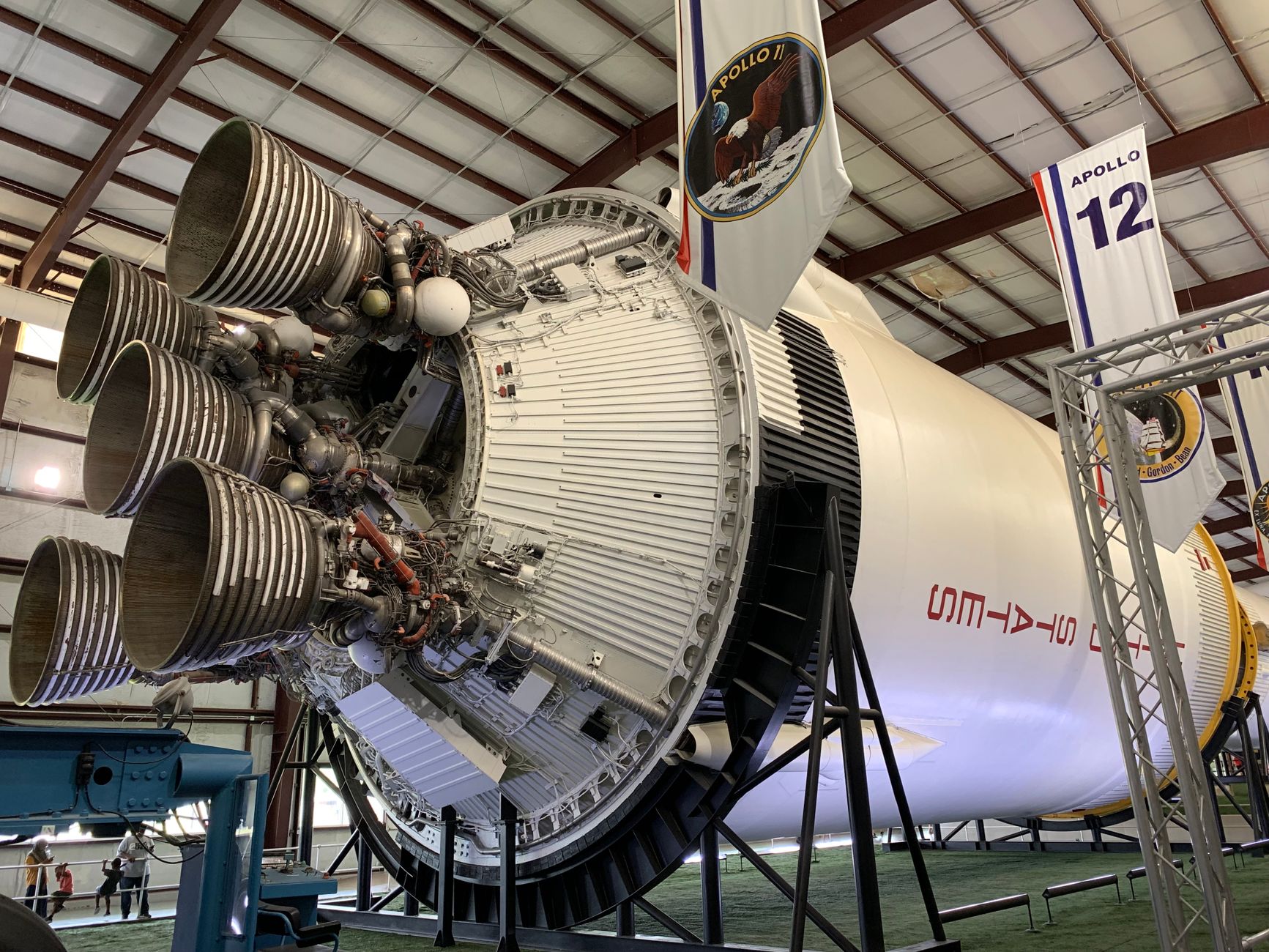
The Saturn V rocket, a towering achievement of engineering, was designed to propel astronauts toward the Moon. Its first successful launch represented a critical step in the Apollo program, demonstrating the rocket’s capabilities to carry humans beyond Earth’s orbit. The vehicle stood at an impressive height of 363 feet and was powered by five powerful F-1 engines, which collectively delivered a thrust of 7.5 million pounds.
The Apollo 4 mission was primarily a test of the rocket’s systems and performance under actual launch conditions. Engineers closely monitored the flight, which included a planned Earth orbit followed by a trajectory that would simulate a trip to the Moon. The mission successfully verified the rocket’s ability to perform as intended, laying the groundwork for future manned missions.
With the success of the Saturn V moon rocket, NASA gained confidence in its ability to achieve lunar exploration, ultimately leading to the historic Apollo 11 mission in 1969, when humans first set foot on the Moon.
Historical Significance of Apollo 4
The launch of the Saturn V moon rocket during the Apollo 4 mission on November 9, 1967, marked a pivotal moment in space exploration. This mission was significant not only for its technical achievements but also for its role in demonstrating the capabilities of the Saturn V, which would eventually carry astronauts to the Moon.
Apollo 4 was the first uncrewed flight to test the entire launch vehicle system. It effectively evaluated the performance of the Saturn V rocket, which had been developed to support the ambitious Apollo program. The successful flight helped to validate critical aspects of the spacecraft’s design, paving the way for future manned missions.
During this mission, several key objectives were met, including:
- The testing of the launch vehicle’s systems.
- The assessment of the Saturn V’s ability to handle the dynamic stresses of launch.
- The demonstration of the spacecraft’s re-entry capabilities through a controlled return to Earth.
Moreover, Apollo 4 was integral in building public confidence in NASA’s efforts to land humans on the Moon. The mission served as a precursor to subsequent Apollo flights, ultimately leading to the historic Apollo 11 landing in 1969. The success of Apollo 4 established the Saturn V moon rocket as a reliable vehicle for space exploration, solidifying its place in history.
Key Features of the Saturn V Rocket
The Saturn V moon rocket, a marvel of engineering, is renowned for its impressive capabilities and features that contributed to its success during the Apollo missions.
One of the key features of the Saturn V was its three-stage design, which enabled it to achieve the necessary velocity to escape Earth’s gravitational pull. Each stage had a specific function:
- First Stage (S-IC): Powered by five F-1 engines, it generated an astounding 7.5 million pounds of thrust to propel the rocket through the thickest part of the atmosphere.
- Second Stage (S-II): Utilizing five J-2 engines, this stage continued the ascent, reaching altitudes of over 115 kilometers before separating.
- Third Stage (S-IVB): Equipped with a single J-2 engine, it was responsible for placing the Apollo spacecraft into orbit and executing the trans-lunar injection burn.
Additionally, the Saturn V was notable for its height, measuring 363 feet tall, making it the tallest rocket ever successfully flown. Its capacity to carry payloads of up to 310,000 pounds to low Earth orbit made it indispensable for lunar missions.
With its robust design and groundbreaking technology, the Saturn V moon rocket remains a symbol of human ingenuity and ambition in space exploration.
Impact on Future Missions
The successful launch of the Saturn V moon rocket marked a pivotal moment in the history of space exploration, paving the way for future missions beyond Earth’s atmosphere. Its ability to carry heavy payloads into orbit demonstrated a technological advancement that significantly influenced subsequent space programs.
As NASA continued to build on the successes of the Apollo missions, the Saturn V’s legacy inspired numerous innovations in rocket design and engineering. The following are some key impacts the Saturn V had on future missions:
- Inspiration for New Rockets: The design principles and engineering breakthroughs of the Saturn V influenced the development of later rockets, including the Space Shuttle and the Ares I.
- Human Spaceflight Advancements: The Saturn V’s reliability set a new standard for human spaceflight, instilling confidence in engineers and astronauts for future deep-space missions.
- International Collaboration: The success of the Saturn V paved the way for collaborative efforts in space exploration, such as the International Space Station, showcasing the importance of international partnerships.
- Scientific Research: The technology developed for the Saturn V enabled missions that expanded our understanding of the Moon and beyond, leading to groundbreaking discoveries in planetary science.
Ultimately, the achievements of the Saturn V moon rocket not only fulfilled the goals of the Apollo program but also created a foundation for ongoing exploration and innovation in space.
Unmanned Flights in Space Exploration
The Saturn V moon rocket has played a crucial role in unmanned flights that paved the way for human exploration of space. These early missions were essential in testing the systems and technologies that would later support manned missions to the Moon and beyond.
One of the key objectives of early unmanned flights was to gather valuable data on the rocket’s performance. The Saturn V was designed to handle the immense demands of launching heavy payloads into space, and unmanned missions provided critical insights into its capabilities.
During these flights, several important tests were conducted:
- Structural Integrity: Unmanned missions allowed engineers to evaluate the rocket’s structural integrity under various conditions.
- Engine Performance: Testing the F-1 engines during unmanned launches was vital for ensuring reliability.
- Telemetry Systems: These flights helped refine the telemetry systems that would monitor spacecraft health during manned missions.
Furthermore, unmanned missions served as a platform for testing new technologies that would be used in future lunar expeditions. The Saturn V moon rocket, with its unparalleled success in launching these missions, showcased the potential for safe and effective human spaceflight. This foundation built during unmanned flights ultimately contributed to the success of the Apollo program and NASA’s broader goals in space exploration.
NASA’s Journey to the Moon
NASA’s journey to the Moon was marked by groundbreaking achievements and rigorous testing, with the Saturn V moon rocket being the cornerstone of this monumental endeavor. Following the successful unmanned flight of Apollo 4, the agency dedicated itself to ensuring that each component of the Saturn V met the highest standards of safety and reliability.
The Saturn V’s design was a result of years of research and development, aimed at overcoming the challenges of deep space travel. It was not just about reaching the Moon; it was about doing so in a way that would inspire confidence and pave the way for future exploration. NASA conducted multiple test flights to validate the rocket’s capabilities, ensuring that it could carry astronauts safely beyond Earth’s atmosphere.
As preparations continued, the engineering teams worked tirelessly to address any potential issues that could arise during manned missions. The Saturn V moon rocket represented not only a technological marvel but also a symbol of human ingenuity and determination.
- Rigorous Testing: Each flight helped refine the systems
- Engineering Excellence: A focus on safety and reliability
- Inspiration for Future Missions: Setting the stage for lunar exploration
Ultimately, NASA’s commitment to excellence with the Saturn V ensured that the dream of landing on the Moon became a reality, marking a significant milestone in space exploration history.
Photo by Javier Mendoza on Pexels
References
Related stories
NASA moon base prizes: What are the best solutions? · Crédit Agricole Merger Proposal: Smart Move for Growth · Ravana glorification debate: Honest insights from Yash