

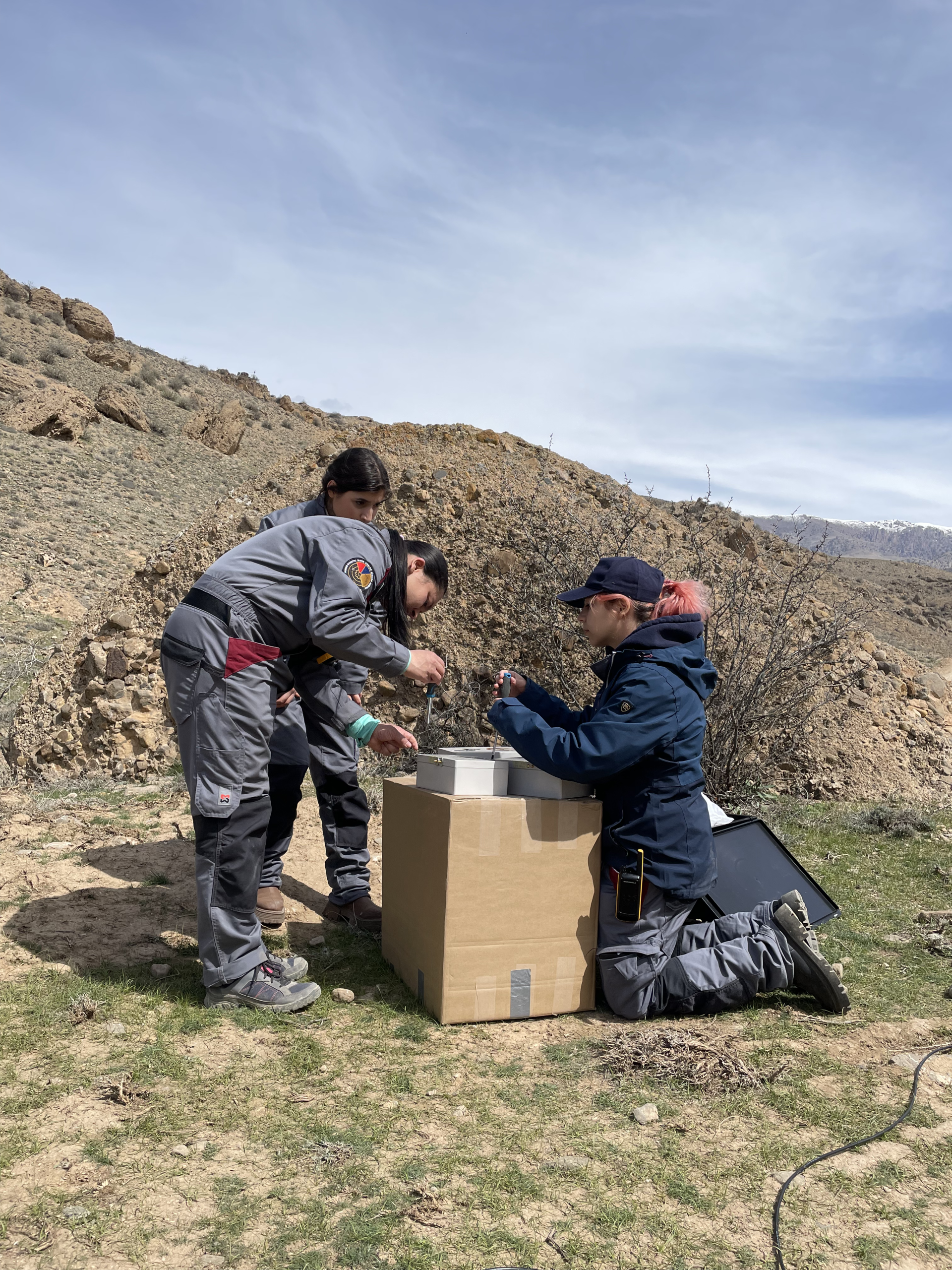
analog astronauts are pioneering ways to prepare for space missions by living underwater. This innovative approach offers insights into the challenges of long-duration space travel and how humans can adapt to extreme environments.
Understanding Analog Astronauts
Analog astronauts play a crucial role in preparing humans for future space missions by simulating the conditions of extraterrestrial environments on Earth. These individuals participate in controlled experiments that mimic life on other planets or in space, helping researchers understand the challenges that may arise during actual missions.
One of the most notable environments for analog astronaut training is underwater habitats. Living beneath the surface allows participants to experience isolation, limited resources, and the need for teamwork, all of which parallel the conditions faced in space travel. The unique underwater setting also presents logistical challenges, such as communication delays and the need for self-sufficiency, making it an ideal training ground.
In these missions, analog astronauts often engage in a variety of activities, including:
- Scientific research: Conducting experiments that provide insights into human behavior and performance.
- Technical training: Learning to operate equipment that may be used in space, such as robotics and life support systems.
- Team dynamics: Developing strategies for maintaining morale and cooperation among crew members in confined spaces.
The experiences gained by analog astronauts not only advance our understanding of space travel but also lay the groundwork for future missions to Mars and beyond.
Benefits of Underwater Training
Underwater training has emerged as a pivotal method for preparing analog astronauts for the challenges of space missions. This unique environment offers several distinct benefits that closely mimic the conditions of space, allowing for realistic and effective training experiences.
- Simulated Microgravity: Being submerged in water creates buoyancy, which simulates the weightlessness of space. This enables analog astronauts to practice movements and operations that they would perform in a microgravity environment.
- Isolation and Confinement: Underwater training facilities provide a controlled environment that mirrors the isolation and confinement of long-duration space missions. Participants learn to cope with the psychological stresses associated with being cut off from the outside world.
- Team Dynamics: Living and working together in an underwater habitat fosters teamwork and communication skills. Analog astronauts must rely on one another, developing camaraderie and effective collaboration, essential for success in space missions.
- Technical Skills Development: The underwater environment allows for the practice of technical skills needed for space exploration, such as equipment maintenance and emergency procedures, in a setting that simulates the complexity of space operations.
Overall, underwater training not only enhances the physical and technical capabilities of analog astronauts but also prepares them mentally for the rigors of future space exploration.
Challenges Faced in Space Missions
While the concept of analog astronauts offers valuable insights into space preparation, numerous challenges persist that impact the efficacy of training missions. Understanding these challenges is essential for improving current methodologies and enhancing astronaut readiness.
One significant challenge is the psychological stress experienced during prolonged isolation. Analog astronauts often live in confined spaces for extended periods, which can lead to feelings of loneliness and anxiety. To address this, training protocols must incorporate mental health support and team-building exercises.
Additionally, communication limitations pose another hurdle. Analog missions, particularly those simulating Mars or deep-space environments, often involve delayed communication with mission control. This can lead to frustration among crew members, making it crucial to develop more effective communication strategies that simulate real-life scenarios.
Finally, the physical environment can also present challenges. Conditions such as limited mobility and restricted resources can impact the health and performance of analog astronauts. Training programs should therefore focus on enhancing resilience and adaptability, ensuring crew members can thrive under adverse conditions.
By addressing these challenges, analog astronauts can better prepare for the realities of space missions, ultimately paving the way for successful human exploration beyond Earth.
How Analog Training Works
Analog training for astronauts involves simulating the conditions of space missions to prepare individuals for the challenges they may encounter. This method is especially effective for analog astronauts, who live in controlled environments that mimic the isolation and confinement of space travel.
One popular approach to analog training is underwater habitation, where astronauts live in submerged habitats. These environments provide a unique opportunity to study human behavior in isolation for extended periods. Participants engage in a variety of tasks that reflect the challenges of real space missions, including:
- Conducting scientific experiments
- Managing resources
- Communicating with mission control
- Executing emergency protocols
In addition to underwater scenarios, analog training can take place in other settings, such as remote land-based facilities or simulated lunar and Martian habitats. Each method is designed to test physical endurance, mental resilience, and teamwork. The data collected during these missions helps researchers understand how humans cope with stress and isolation, which is crucial for the success of future space expeditions.
Ultimately, the insights gained from analog astronauts contribute to the development of effective strategies for long-duration space travel and enhance our understanding of human factors in extreme environments.
Future of Space Exploration
The future of space exploration is increasingly intertwined with the work of analog astronauts. As nations and private companies prepare for missions to the Moon, Mars, and beyond, the techniques and methodologies honed by these individuals are proving invaluable. The adaptation of terrestrial environments, such as underwater habitats, mirrors the conditions of space, allowing for rigorous testing of human endurance and decision-making.
With advancements in technology and a growing understanding of human physiology in extreme conditions, analog missions are likely to play a critical role in upcoming space endeavors. Some key factors shaping the future include:
- International Collaboration: More countries are partnering on space missions, leading to a richer pool of knowledge and resources that can enhance analog training programs.
- Enhanced Simulation Technologies: Virtual reality and artificial intelligence are becoming integral in creating highly realistic training environments for analog astronauts.
- Focus on Mental Health: Understanding the psychological stresses of long-duration spaceflight will become increasingly important, tailoring analog training to address these challenges.
- Public Engagement: Increased public interest in space exploration can lead to more funding and support for analog astronaut programs.
As we look ahead, the role of analog astronauts will be pivotal in ensuring that humans are well-prepared for the challenges of life beyond Earth.
By Armenara245 via Openverse
Read the original
Twisted Magnetic Braids: Proven Insights from Parker Solar Probe · Gareth Batty joins CSK: A Smart Move for Cricket Coaching · International Parcel Connect: The Smart Choice for E-commerce