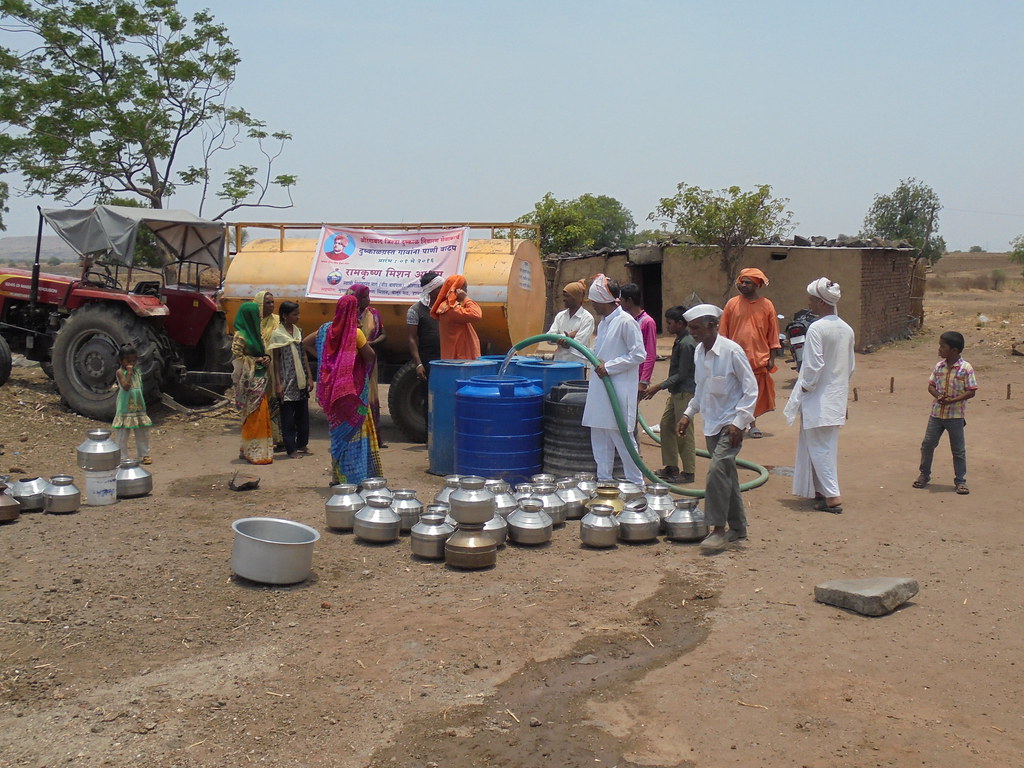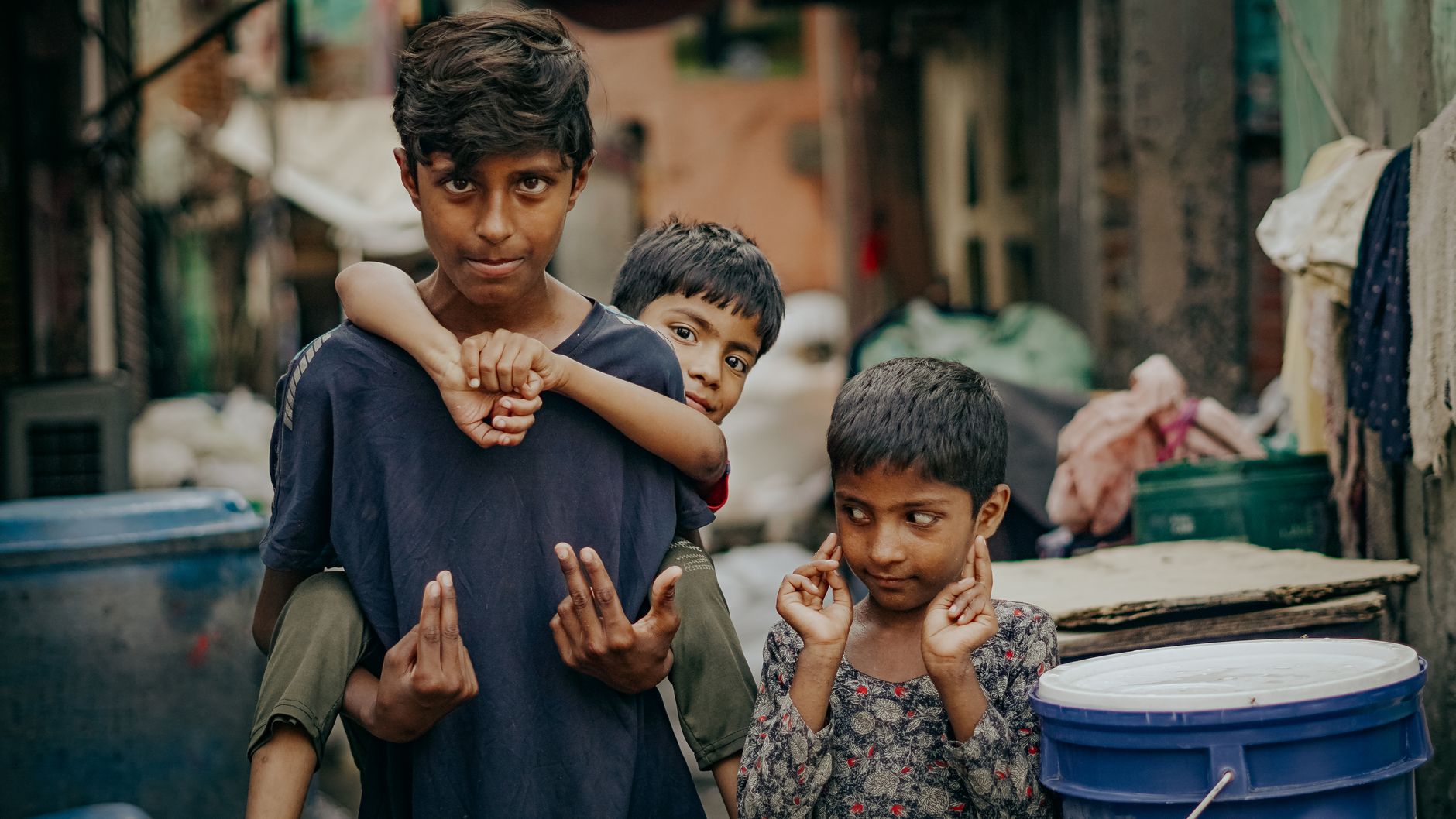
India inequality today is a pressing concern that echoes the disparities experienced during the British Raj. Recent discussions reveal how social and economic divides persist in modern India, raising questions about progress and equity.
Understanding India’s Inequality
India’s inequality today remains a pressing concern, with disparities evident across various sectors of society. Historical context reveals that the roots of this inequality can be traced back to the colonial era, when wealth was concentrated in the hands of a few. Today, that legacy continues to affect millions.
Several factors contribute to the current state of inequality:
- Economic Disparities: Despite India’s rapid economic growth, the benefits have not been evenly distributed. A significant portion of the population still lives below the poverty line.
- Access to Education: Educational opportunities are often limited for marginalized communities, perpetuating a cycle of poverty and lack of upward mobility.
- Healthcare Gaps: Disparities in access to healthcare services further exacerbate inequality, with poorer communities suffering from inadequate medical facilities.
- Gender Inequality: Women and girls face systemic barriers that hinder their economic participation and restrict their rights, contributing to broader societal inequality.
The comparison of modern-day India to the British Raj highlights the alarming persistence of these issues. As discussions around India inequality today continue, it is crucial for policymakers to address these systemic challenges to foster a more equitable society.
Historical Context of Inequality
The historical context of inequality in India reveals deep-rooted disparities that have persisted through centuries. From colonial rule to the present day, the structures of wealth and power have often left the marginalized behind. During the British Raj, economic policies favored British interests, leading to significant wealth extraction and social stratification. This era saw the rich-poor divide widen, a trend that echoes in modern India.
Today, India inequality is a pressing issue, as the nation grapples with the legacies of its past. The socio-economic divide is not just a matter of income but encompasses access to education, healthcare, and opportunities. Over the years, various reforms have aimed to address these disparities, but challenges remain.
Factors contributing to ongoing inequality include:
- Economic Policies: Market liberalization has created wealth, yet many remain untouched by its benefits.
- Caste System: Deep-seated social hierarchies continue to affect resource distribution.
- Urban-Rural Divide: Rapid urbanization has left rural areas with inadequate infrastructure and services.
As we explore India’s inequality today, it becomes clear that historical factors play a crucial role in shaping the socio-economic landscape of the country.
Economic Disparities in Modern India
The economic landscape of India today reveals stark disparities, prompting discussions about the severity of inequality in the nation. As highlighted in recent reports, India inequality today mirrors conditions observed during the British Raj, raising concerns about the persistence of wealth and opportunity gaps.
According to various studies, the wealthiest 10% of the population holds a disproportionate share of the country’s resources. This concentration of wealth is evident in several key areas:
- Income Inequality: The gap between the rich and the poor continues to widen, with top earners significantly outpacing wage growth for the lower and middle classes.
- Access to Education: Quality education remains largely inaccessible to marginalized communities, perpetuating the cycle of poverty.
- Healthcare Disparities: Inequitable access to healthcare services exacerbates the vulnerabilities faced by low-income individuals.
Furthermore, the impact of the COVID-19 pandemic has intensified these disparities, with many low-income workers experiencing job losses and reduced incomes. As economic recovery efforts unfold, there is an urgent need for policies that promote equitable growth and address systemic barriers to opportunity.
Social Justice Movements
Social justice movements in India have gained momentum as the country grapples with the issue of inequality today. Activists and organizations are mobilizing to raise awareness about the disparities that affect millions of citizens across various sectors.
Many of these movements aim to address systemic issues that perpetuate inequality, including:
- Caste Discrimination: The caste system remains a significant barrier, with marginalized communities often facing social and economic exclusion.
- Gender Inequality: Women continue to struggle for equal rights and opportunities, battling both cultural norms and economic barriers.
- Economic Disparities: The growing wealth gap between the rich and the poor is a pressing concern, as many still live in dire poverty despite economic growth.
- Access to Education: Quality education remains inaccessible for many, hindering upward mobility and perpetuating cycles of poverty.
These movements highlight the urgent need for policy changes and societal shifts to achieve greater equality. As discussions around India inequality today become more prominent, advocates stress the importance of collective action to ensure that the benefits of growth are equitably distributed.
Government Policies and Their Impact
The role of government policies in addressing India inequality today cannot be understated. Over the years, various initiatives have been introduced to tackle the persistent disparities that plague the nation. However, the effectiveness of these policies remains a topic of intense debate.
Several key policies aimed at reducing inequality include:
- Reservation Systems: These policies are designed to provide opportunities for historically marginalized communities in education and employment. While they have made strides in improving representation, critics argue that they may also perpetuate divisions.
- Poverty Alleviation Programs: Initiatives such as the Mahatma Gandhi National Rural Employment Guarantee Act (MGNREGA) aim to provide job security and enhance livelihoods for the rural poor. Though beneficial, the implementation has often faced challenges.
- Direct Benefit Transfer: This initiative aims to streamline government subsidies and ensure that benefits reach the intended recipients. Despite its potential, corruption and bureaucratic hurdles have limited its success.
While these policies reflect a commitment to addressing inequality, many argue that more comprehensive and inclusive strategies are necessary. Ultimately, the effectiveness of government actions in combating India inequality today will shape the nation’s socio-economic landscape for years to come.
Public Perception of Inequality
The public perception of inequality in India today is shaped by a mix of historical context and present realities. Many citizens feel that the gap between the rich and the poor has not only persisted but has also widened in recent years. According to a recent survey, a significant percentage of the population believes that India inequality today is more pronounced than ever, with wealth concentrated in the hands of a few. This sentiment echoes the findings of various studies, which suggest that economic growth has not been equitably distributed.
Several factors contribute to this perception:
- Rising Cost of Living: The increasing prices of essential goods and services have made it difficult for lower-income families to sustain themselves.
- Unemployment Rates: With a growing population, job opportunities remain scarce, exacerbating financial struggles for many.
- Access to Education: Quality education remains a privilege for the affluent, limiting upward mobility for the underprivileged.
Moreover, social media has amplified voices calling for change, leading to greater awareness of inequality issues. Many activists argue that without significant reforms, the current perception of inequality will only deepen, affecting social cohesion and stability.
Comparative Analysis with Other Nations
When evaluating India’s inequality today, it is essential to compare it with other nations facing similar challenges. Analyzing the economic and social disparities across various countries can provide insight into the severity of India’s situation.
Several nations exhibit notable levels of inequality, yet India’s statistics reveal a concerning trend:
- United States: The Gini coefficient, a measure of inequality, has been rising, yet it remains lower than India’s, where wealth concentration is alarmingly high.
- Brazil: Despite a history of significant inequality, recent policies have aimed to bridge the gap, unlike in India, where disparities have persisted.
- South Africa: Known for its stark divisions, South Africa’s inequality is comparable to India, but its government has actively attempted reforms to address these issues.
- China: Rapid economic growth has led to inequality, but targeted initiatives have seen a reduction in poverty levels, contrasting India’s stagnant progress in alleviating disparities.
The comparative analysis indicates that while many nations struggle with inequality, the entrenched nature of India’s inequality today poses unique challenges, necessitating urgent and effective policy interventions.
Future of Inequality in India
The future of inequality in India remains a pressing concern as the nation grapples with the legacy of economic and social disparities. India inequality today is often compared to the times of colonial rule, highlighting the persistent divide between the affluent and the underprivileged. With global economic shifts and the impact of technology, the landscape is rapidly changing, but the fundamental issues of inequity remain entrenched.
Experts warn that if current trends continue, the gap may widen even further. Among the factors influencing this trajectory are:
- Economic Growth: While India’s economy is one of the fastest-growing in the world, the benefits have not been evenly distributed.
- Access to Education: Disparities in educational opportunities perpetuate cycles of poverty, limiting upward mobility for many.
- Healthcare Access: A lack of equitable health services exacerbates economic vulnerabilities among lower-income populations.
- Policy Implementation: The effectiveness of government initiatives aimed at addressing inequality will play a crucial role in shaping the future.
As the nation stands at a crossroads, the choices made today will determine whether India can overcome its deep-rooted inequalities or if it will continue to mirror its colonial past.
Many experts argue that India inequality today reflects deep-rooted socioeconomic disparities that have persisted for decades. Addressing India inequality today requires comprehensive reforms and targeted policies to uplift marginalized communities.
Photo by Mrj Cinematic on Pexels