

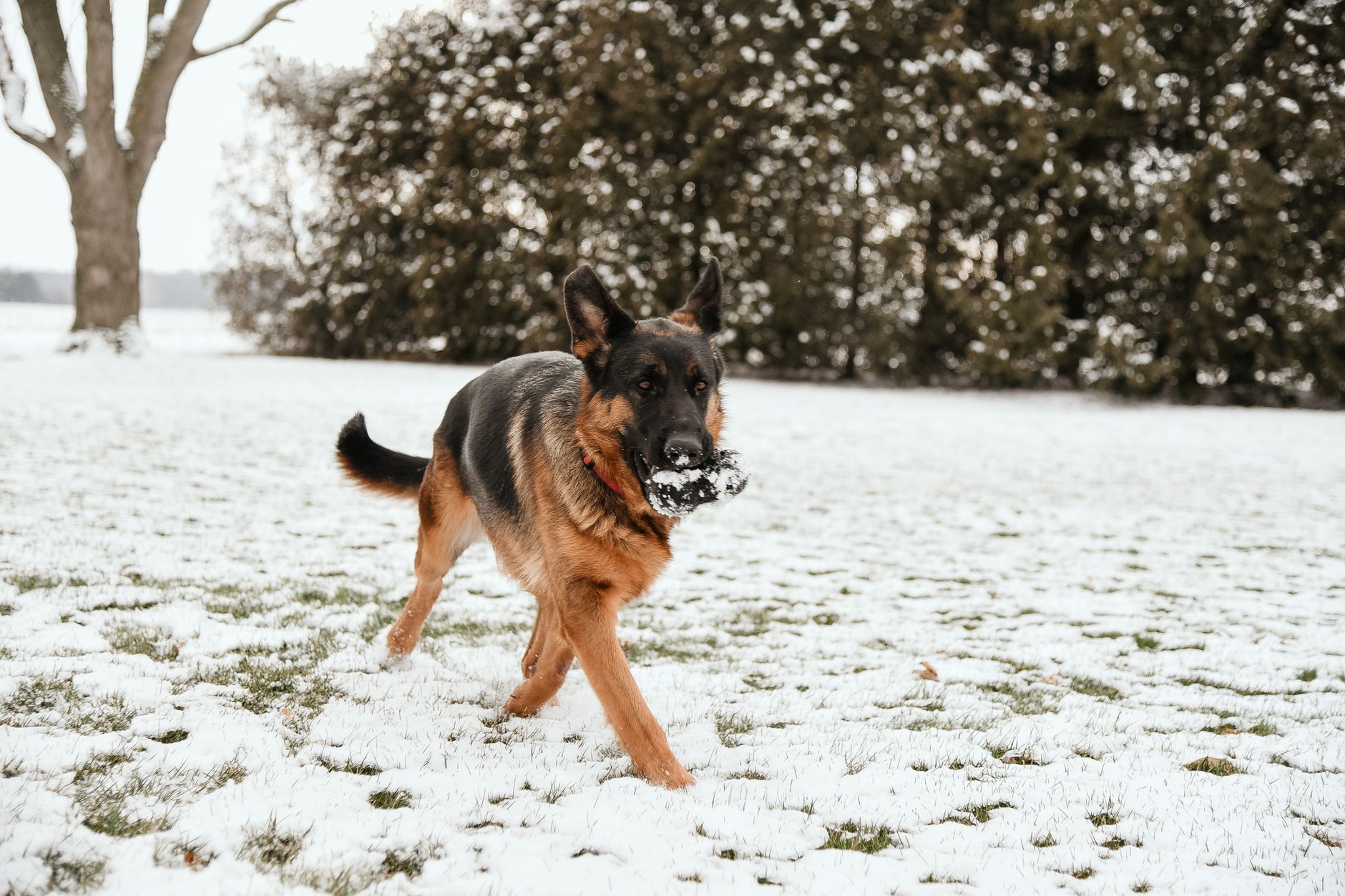
German Shepherd boldness varies significantly among individuals. Recent research reveals that genes help explain these differences, shedding light on the behavioral traits of this popular breed.
Understanding Boldness in Dogs
Understanding boldness in dogs is essential for both breeders and owners. Boldness can greatly influence a dog’s behavior, temperament, and suitability for specific roles, such as service or therapy work. In German Shepherds, boldness is not just a personality trait but is significantly influenced by genetics.
Research indicates that certain genes play a critical role in determining the levels of boldness in individual dogs. This genetic predisposition can lead to variations among German Shepherds, with some exhibiting extreme confidence while others may display more timid behaviors.
Factors that contribute to a dog’s boldness include:
- Genetic background: Inherited traits from parents.
- Socialization: Early experiences with people and environments.
- Training: The methods and consistency used in upbringing.
Understanding these factors is vital for fostering the ideal temperament in German Shepherds.
The Role of Genetics in Behavior
The behavior of German Shepherds is significantly influenced by their genetics. Research has shown that specific genetic markers can predict levels of boldness in these dogs. This means that some German Shepherds may inherently possess a more adventurous spirit, while others may be more reserved.
Understanding the role of genetics in behavior is crucial for dog breeders and owners alike. Here are some key points to consider:
- Inherited Traits: Certain traits linked to boldness can be passed down through generations.
- Breed Characteristics: German Shepherds have been selectively bred for various traits, including confidence and courage.
- Environmental Factors: While genetics play a significant role, early socialization and training also contribute to a dog’s boldness.
Overall, the interplay between genetics and environment shapes the boldness seen in German Shepherds.
How Environment Influences Boldness
The environment plays a crucial role in shaping the boldness of German Shepherds. Various factors within their surroundings can influence their behavior and confidence levels. For instance, early exposure to different situations, people, and animals can help foster a more courageous temperament.
Key environmental aspects include:
- Socialization: Proper socialization during the puppy stage can significantly enhance a German Shepherd’s boldness by familiarizing them with diverse experiences.
- Training: Consistent and positive training methods can build a dog’s confidence, reinforcing their ability to respond to challenges with bravery.
- Living Conditions: A stable and secure home environment allows dogs to feel safe, promoting a more assertive demeanor.
Ultimately, understanding how these environmental factors work in conjunction with genetics can help owners nurture the desired traits in their German Shepherds.
Comparing Boldness Across Breeds
When evaluating German Shepherd boldness, it’s essential to compare it with other breeds to understand its unique characteristics. Different dog breeds exhibit varying levels of boldness, influenced by their genetic background and environmental factors. For instance, some breeds like the Rottweiler and Doberman Pinscher are often noted for their protective instincts, which can be seen as a form of boldness.
In contrast, breeds such as the Cavalier King Charles Spaniel tend to possess a more gentle disposition, lacking the assertiveness commonly found in German Shepherds. This comparison highlights how boldness manifests differently across breeds, shaped by both genetics and upbringing.
Understanding these differences can help potential owners make informed decisions about training and socialization, ensuring that their dog’s boldness is harnessed positively.
Training Tips for Bold German Shepherds
Training a bold German Shepherd requires a tailored approach that emphasizes positive reinforcement and consistency. Here are some effective tips to enhance their training experience:
- Start Early: Begin training during the puppy stage to instill good habits and socialization.
- Use Positive Reinforcement: Reward bold behaviors with treats or praise to encourage them to repeat those actions.
- Be Consistent: Establish clear commands and stick to them, as bold German Shepherds thrive on structure.
- Socialization: Expose your dog to various environments, people, and other animals to help them build confidence and reduce anxiety.
- Engage in Mental Stimulation: Incorporate puzzle toys and training games to challenge their intelligence and keep them focused.
By implementing these strategies, owners can effectively nurture the boldness of their German Shepherds while fostering a well-rounded temperament.
What Owners Should Know About Boldness
When it comes to German Shepherd boldness, owners should be aware of several key factors that can influence their dog’s behavior. Understanding these elements can help foster a confident and well-adjusted companion.
- Socialization: Early exposure to various environments, people, and other animals can greatly enhance a German Shepherd’s boldness.
- Training Techniques: Consistent, positive reinforcement training can promote courageous behavior and reduce fearfulness.
- Health Considerations: Physical well-being can affect a dog’s confidence; regular veterinary check-ups ensure that any underlying issues are addressed.
- Owner’s Attitude: A calm and assertive owner can inspire their German Shepherd to be more bold and self-assured.
By focusing on these aspects, owners can help their dogs exhibit the desired boldness while ensuring they remain balanced and happy.
Future Research on Canine Behavior
Future research on canine behavior aims to delve deeper into the complexities of traits such as German Shepherd boldness. As scientists continue to explore the genetic underpinnings, several key areas warrant attention:
- Longitudinal Studies: Examining how boldness develops over a dog’s life, influenced by both genetics and environment.
- Behavioral Assessments: Utilizing standardized tests to measure boldness across different environments and situations.
- Owner Influence: Investigating how training methods and owner interactions shape traits like boldness in German Shepherds.
- Cross-Breed Comparisons: Analyzing boldness in relation to other breeds to identify unique characteristics of the German Shepherd.
By focusing on these areas, researchers hope to provide clearer insights into the factors that contribute to boldness in dogs, enhancing our understanding of this fascinating trait.
Understanding the factors that influence German Shepherd boldness is essential for effective training and socialization. By focusing on these proven factors, owners can foster a well-balanced temperament in their German Shepherd boldness.
Photo by Julissa Pires on Pexels