

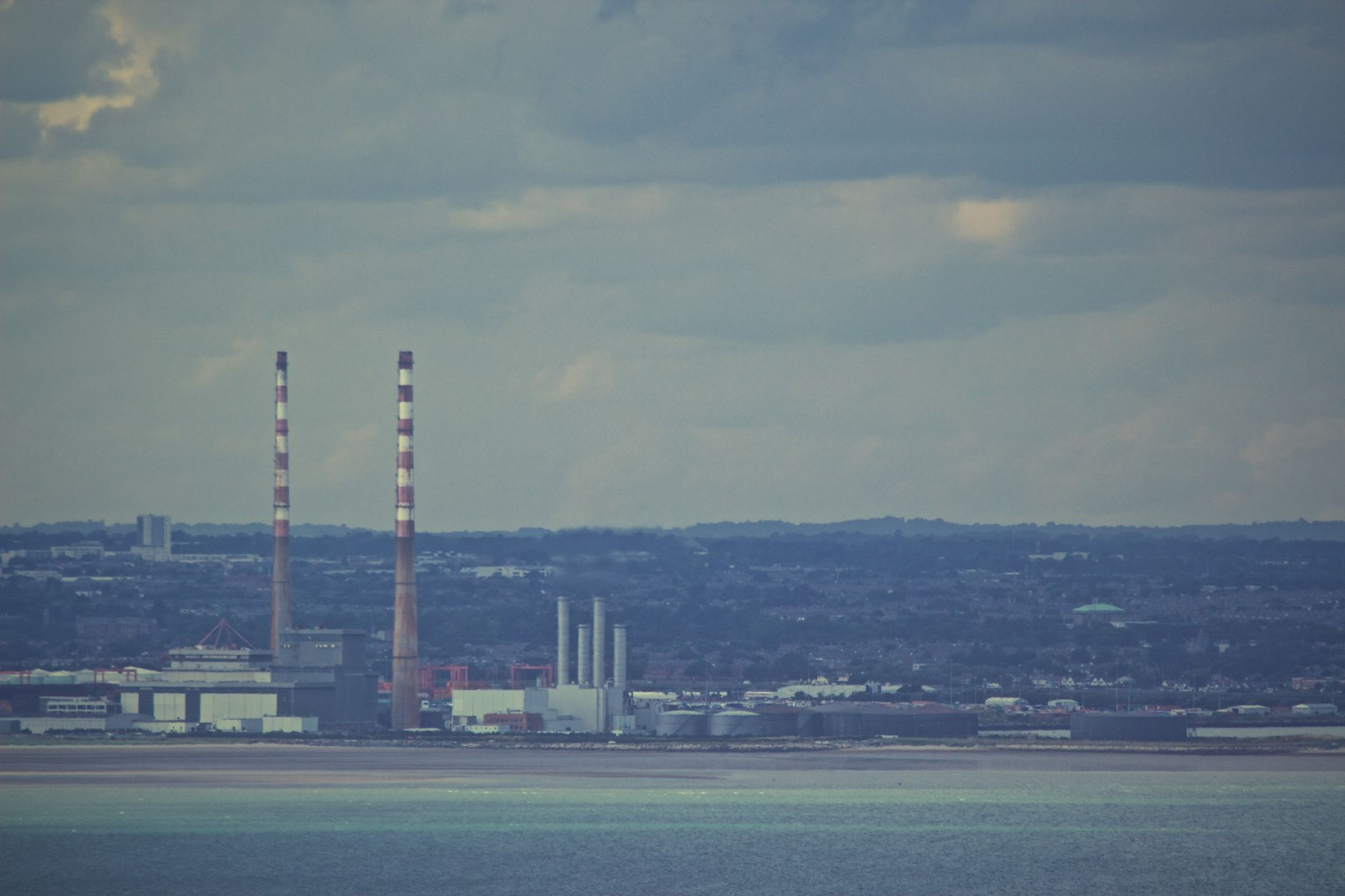
Air Pollution Northern Ireland has been a growing concern, and the recently released 2025 report highlights alarming levels of pollutants affecting health and environment.
Overview of Air Pollution in Northern Ireland
The recently released Air Pollution in Northern Ireland 2025 report has unveiled alarming statistics regarding the state of air quality in the region. According to the findings, levels of harmful pollutants have increased significantly over the past few years, raising serious health concerns for residents.
Key findings from the report include:
- Increased levels of nitrogen dioxide near busy roadways, primarily due to vehicular emissions.
- Particulate matter concentrations exceeding recommended guidelines in urban areas.
- Vulnerable populations, including children and the elderly, face heightened risks associated with poor air quality.
The data highlights the urgent need for action to combat air pollution in Northern Ireland and protect public health.
Key Findings from the 2025 Report
The 2025 report on air pollution in Northern Ireland has unveiled several alarming findings that highlight the severity of the situation. Key points from the report include:
- Increased Pollution Levels: There has been a significant rise in particulate matter (PM2.5) and nitrogen dioxide (NO2) levels, particularly in urban areas.
- Health Impacts: The report estimates that air pollution contributes to approximately 2,000 premature deaths annually in Northern Ireland.
- Vulnerable Populations: Children and the elderly are at greater risk, with rising cases of respiratory diseases linked to poor air quality.
- Policy Gaps: Experts have pointed out that current regulations are insufficient to address the escalating crisis effectively.
These findings underscore the urgent need for comprehensive strategies to combat air pollution in Northern Ireland.
Health Impacts of Air Pollution
The recent report on air pollution in Northern Ireland highlights significant health impacts that cannot be overlooked. Various studies have linked increased levels of air pollutants to a range of serious health conditions, particularly respiratory and cardiovascular diseases.
Key health impacts include:
- Increased hospital admissions for asthma and other respiratory issues, particularly among children and the elderly.
- Higher rates of cardiovascular diseases such as heart attacks and strokes, which are exacerbated by long-term exposure to polluted air.
- Premature deaths attributed to air quality, with thousands of lives at risk due to chronic exposure.
- Worsening mental health conditions, where studies indicate a correlation between pollution and increased anxiety or depression levels.
The implications of these findings underscore the urgent need for effective policy measures to combat air pollution in Northern Ireland.
Government Response to Air Quality Issues
The recent report on air pollution in Northern Ireland has prompted a strong response from government officials. In light of the shocking data, authorities are under pressure to implement effective measures to combat this pressing issue.
In a statement, the Environment Minister emphasized the need for urgent action, stating that improving air quality is a top priority. The government plans to:
- Enhance monitoring systems to track pollution levels more accurately.
- Invest in public transportation to reduce vehicle emissions.
- Launch awareness campaigns to educate citizens on the impacts of air pollution.
Despite these proposed initiatives, critics argue that the response is insufficient, calling for stricter regulations on industrial emissions and greater accountability for local authorities. As the situation unfolds, the effectiveness of these measures will be closely watched by the public and environmental groups alike.
Public Awareness and Education
Public awareness regarding air pollution in Northern Ireland has become increasingly vital as the recent report highlights alarming statistics. Many residents remain unaware of the severity of the issue, which exacerbates health risks across the population.
To address this gap, local organizations are ramping up educational initiatives aimed at informing citizens about the sources and effects of air pollution. These efforts include:
- Community Workshops: Engaging residents through discussions and Q&A sessions to foster understanding.
- School Programs: Introducing curricula that focus on environmental science and air quality.
- Public Campaigns: Utilizing social media and public service announcements to spread awareness.
As Northern Ireland grapples with air pollution challenges, enhancing public knowledge is critical for driving collective action towards cleaner air.
Comparison with Previous Years
The recent report on air pollution in Northern Ireland has drawn stark comparisons with data from previous years. In 2020, the levels of nitrogen dioxide were recorded at a significantly lower average, prompting concerns about the rapid deterioration of air quality.
Key statistics highlight the increasing trend:
- 2018: Average nitrogen dioxide levels at 30 µg/m³
- 2020: Levels rose to 35 µg/m³
- 2025: Reported levels reach a staggering 45 µg/m³
This alarming increase in air pollution in Northern Ireland raises questions about environmental regulations and urban planning. Moreover, the data suggests a correlation between rising pollution levels and a surge in respiratory illnesses, emphasizing the urgent need for effective measures to combat this pressing issue.
Future Projections for Air Quality
Future projections for air quality in Northern Ireland indicate a troubling trend, as experts warn that current policies may not be sufficient to combat rising levels of air pollution. The Air Pollution Northern Ireland 2025 report suggests that unless significant measures are implemented, the situation could deteriorate further.
According to the report, the following factors are expected to influence air quality:
- Urbanization: Increased population density in cities is likely to exacerbate pollution levels.
- Transportation: A growing reliance on fossil fuel-powered vehicles continues to pose a major threat.
- Industrial Emissions: Without stricter regulations, industries may contribute more to the air quality crisis.
- Climate Change: Shifting weather patterns could worsen air pollution episodes.
If these trends persist, Northern Ireland may face significant environmental and health challenges in the years to come.
Recommendations for Improvement
To effectively address the growing concerns of air pollution in Northern Ireland, experts recommend several key strategies for improvement:
- Enhancing Regulatory Frameworks: Strengthening laws and regulations surrounding emissions from industrial sources is crucial.
- Promoting Sustainable Transport: Encouraging the use of public transport, cycling, and walking can significantly reduce vehicular emissions.
- Increasing Green Spaces: Expanding urban greenery can help filter air pollutants and improve overall air quality.
- Public Awareness Campaigns: Educating the public on the effects of air pollution and promoting eco-friendly practices is essential.
- Investment in Clean Technologies: Supporting innovative technologies that reduce emissions will help combat air pollution in Northern Ireland.
By implementing these recommendations, stakeholders can work towards a healthier environment for all residents.
The recent report highlights the alarming levels of Air Pollution Northern Ireland, raising concerns among health experts and residents alike. Immediate action is needed to address the sources of Air Pollution Northern Ireland and protect public health.
Photo by Picography on Pexels