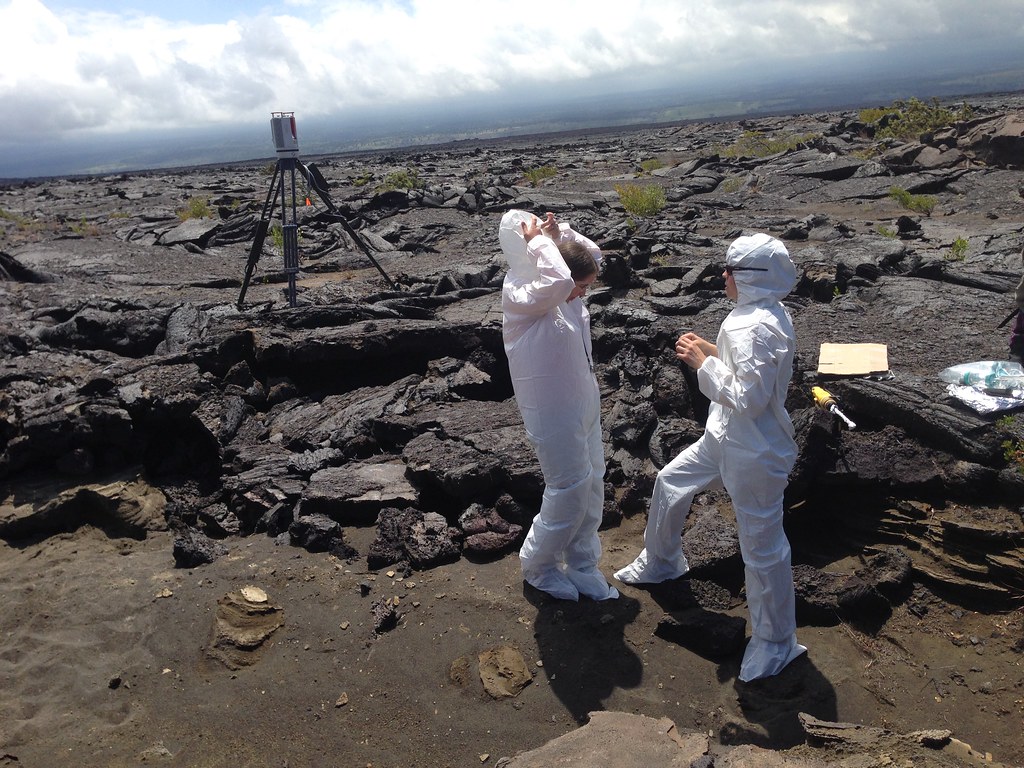
NASA science mission selection is undergoing significant changes aimed at increasing the frequency and success of scientific endeavors. This overhaul promises to streamline how missions are chosen and executed.
Introduction to NASA’s New Mission Selection
NASA is embarking on a significant transformation in its approach to science mission selection, aiming to enhance the efficiency and success rate of its endeavors. This overhaul comes in response to the need for more frequent and diverse missions that align with the evolving landscape of scientific exploration.
The agency’s updated strategy emphasizes streamlined processes and innovative criteria for selecting missions, ensuring that proposals receive timely evaluations and funding. Key changes include:
- Increased collaboration with external partners and academic institutions.
- Focus on cutting-edge technology and interdisciplinary research.
- A commitment to rapid development cycles to reduce delays.
Through these adjustments, NASA aims to foster a more dynamic and responsive science mission selection process, ultimately benefiting scientific discovery and exploration across various fields.
Why NASA is Overhauling Mission Selection
NASA is overhauling its approach to mission selection in a bid to enhance the success rate of its science missions. The agency aims to streamline the selection process, allowing for more missions, more often. This shift comes as NASA recognizes the need for agility in a rapidly evolving scientific landscape.
Key reasons for this overhaul include:
- Increased competition: More entities are vying for funding and resources, necessitating a more efficient selection process.
- Technological advancements: New technologies enable quicker mission development and implementation.
- Broader scientific goals: A diverse array of mission objectives requires a flexible selection framework.
By refining its science mission selection strategy, NASA hopes to foster innovation and drive discoveries that can significantly benefit humanity.
The Benefits of Increased Mission Frequency
The recent changes in NASA’s mission selection process are set to bring significant benefits, particularly through increased mission frequency. By selecting more science missions in a streamlined manner, NASA aims to foster innovation and accelerate scientific discovery.
Some key advantages of this approach include:
- Enhanced Collaboration: With more frequent missions, opportunities for collaboration between scientists, engineers, and institutions will rise.
- Rapid Response to Emerging Science: The ability to address new scientific questions as they arise ensures that NASA remains at the forefront of research.
- Broader Public Engagement: Increased mission frequency can capture public interest and support, encouraging a new generation to engage with science.
Ultimately, the revised NASA science mission selection process is designed to maximize efficiency and impact, ensuring a robust pipeline of groundbreaking research initiatives.
How Will NASA Choose Future Science Missions?
Navigating the ever-evolving landscape of space exploration, NASA is implementing a new approach to its science mission selection process. This revamped strategy aims to prioritize missions that not only promise high scientific return but also align with technological advancements and public interest.
Key factors influencing the selection include:
- Scientific Merit: Proposals will be evaluated based on their potential to answer critical questions about our universe.
- Feasibility: Consideration of budget, timeline, and technological readiness will be crucial.
- Collaboration: Emphasis on partnerships with academia and international space agencies to enhance mission scope.
- Public Engagement: Missions that inspire and educate the public will be prioritized.
Through these changes, NASA aims to create a more dynamic and responsive science mission selection process, ultimately leading to greater discoveries and innovations.
Challenges in the Current Mission Selection Process
The current NASA science mission selection process faces several challenges that have prompted the agency to seek an overhaul. One significant issue is the lengthy timeline required to develop and select missions, which can lead to missed opportunities in rapidly advancing scientific fields. Additionally, the existing criteria often favor large, complex missions over simpler, innovative ones, potentially stifling creativity and experimentation.
Budget constraints also play a critical role, as the competition for funding among various projects can result in valuable missions being sidelined. Furthermore, stakeholder engagement and communication during the selection process can be inconsistent, leading to misunderstandings and misalignment of goals. To address these challenges, NASA is implementing changes aimed at streamlining the selection process, ultimately enhancing the chances of success for future science missions, as they focus on more frequent and diverse opportunities for exploration.
Expert Opinions on NASA’s New Strategy
Experts are weighing in on NASA’s recent overhaul of its science mission selection process, praising the initiative for its forward-thinking approach. Dr. Emily Carter, an astrophysicist at the University of California, stated, “The new strategy allows for more innovative ideas to be tested and implemented, leading to groundbreaking discoveries.” Meanwhile, Dr. Raj Patel, a leading planetary scientist, emphasized, “Increased mission frequency will not only enhance scientific output but also foster collaboration among researchers worldwide.” The consensus among the scientific community is that NASA’s science mission selection is evolving to address the complexities of modern research needs. Dr. Maya Chen noted, “This change is a response to the dynamic challenges we face in space exploration, ensuring that missions align with current scientific priorities.” Overall, the new strategy is seen as a vital step toward achieving greater success in future endeavors.
Future Implications for Space Exploration
The recent changes in NASA’s science mission selection process could have profound implications for the future of space exploration. By adopting a more streamlined and frequent approach to selecting missions, NASA aims to enhance its responsiveness to emerging scientific opportunities and technological advancements. This shift not only promises to accelerate the pace of discoveries but also encourages collaboration among various research institutions.
As a result, we may witness a broader range of scientific inquiries, from planetary studies to astrophysics, being addressed more efficiently. Additionally, the new mission selection strategy is expected to foster innovation by allowing scientists to propose and develop ideas more rapidly.
This evolution in NASA’s science mission selection underscores a commitment to maximizing the potential of each mission, ultimately enriching our understanding of the universe.
The recent reforms in NASA science mission selection are designed to enhance the success rates of future projects. By implementing these proven changes, NASA science mission selection aims to streamline processes and improve outcomes.
By NASA Goddard Photo and Video via Openverse