

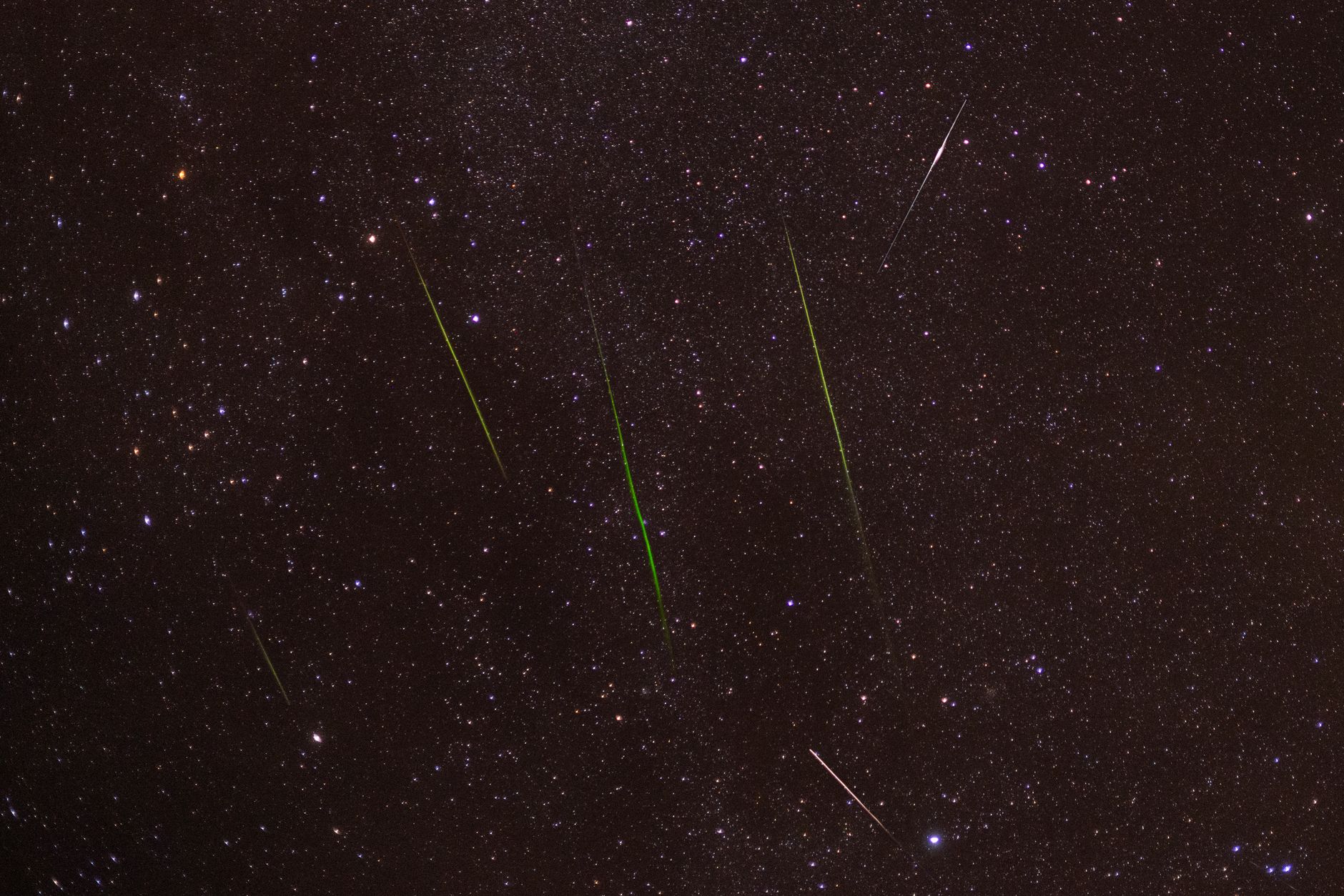
Meteorites chemical clues are shedding light on the conditions that existed before the solar system formed. Recent studies highlight how these ancient rocks preserve vital information about our universe’s history.
What are Meteorites?
Meteorites are remnants of celestial bodies that have survived their journey through Earth’s atmosphere, landing on our planet’s surface. These space rocks are invaluable to scientists as they offer a direct glimpse into the early solar system and the processes that shaped it.
Most meteorites originate from asteroids or the Moon, while a smaller percentage come from Mars. They are categorized into three main types:
- Stony meteorites: Composed mainly of silicate minerals, these are the most common type, making up about 94% of meteorite finds.
- Iron meteorites: Made primarily of iron and nickel, they are denser and often have a distinctive metallic appearance.
- Stony-iron meteorites: These rare specimens contain both metal and silicate, providing a unique blend of characteristics.
Meteorites preserve chemical clues from before the solar system formed, allowing researchers to study the building blocks of planetary formation. By analyzing their composition, scientists gain insights into the conditions and events that occurred in the early solar system, revealing the origins of not only meteorites but also the planets themselves.
The Importance of Chemical Clues
Meteorites provide a unique window into the early solar system, preserving chemical clues that can unravel the mysteries of its formation. These celestial objects, remnants from the birth of our planetary neighborhood, carry with them essential information about the conditions that existed billions of years ago.
Understanding the chemical makeup of meteorites is crucial for several reasons:
- Formation Insights: The elemental and isotopic compositions of meteorites can reveal details about the processes that led to the formation of planets and other celestial bodies.
- Age Determination: By analyzing the radioactive isotopes within meteorites, scientists can determine their age, providing a timeline for solar system evolution.
- Building Blocks of Life: Some meteorites contain organic compounds, offering clues about the origins of life and the potential for extraterrestrial biology.
- Interstellar Chemistry: The chemical clues found in meteorites can also inform us about the materials present in the interstellar medium, enhancing our understanding of cosmic chemistry.
In summary, the study of meteorites and their chemical clues is essential for piecing together the complex history of our solar system and beyond.
How Meteorites Inform Solar System History
Meteorites serve as time capsules, offering invaluable insights into the history of our solar system. These ancient rocks, which have traveled through space for billions of years, contain chemical clues that reveal the conditions present during their formation. By studying these extraterrestrial materials, scientists can piece together the timeline of our solar system’s evolution.
One of the most significant contributions of meteorites is their ability to illustrate the processes that led to the formation of planets and other celestial bodies. They can provide information on:
- The composition of the early solar nebula, the cloud of gas and dust from which the solar system formed.
- The timing of various events, such as the formation of the Earth and its neighboring planets.
- The presence of organic materials that could hint at the origins of life.
Furthermore, meteorites offer a glimpse into the volatile history of our solar system. By analyzing the isotopic ratios and elemental abundances within these space rocks, researchers can uncover details about past collisions and the migration of planets. Thus, meteorites are not merely remnants of space; they are vital to understanding the chemical clues that narrate the story of our cosmic neighborhood.
Recent Discoveries in Meteorite Research
Recent studies have unveiled exciting insights into the origins of our solar system, driven by the analysis of meteorites. These celestial rocks, remnants from the early solar system, contain valuable chemical clues that offer a glimpse into the conditions that prevailed billions of years ago.
One of the key findings from recent research is the presence of complex organic molecules in certain meteorites. These molecules may have played a crucial role in the development of life on Earth. Scientists are particularly interested in how these compounds formed and whether similar processes could occur elsewhere in the universe.
Additionally, isotopic analysis of meteorites has provided significant data on the isotopic composition of the early solar system. This has led researchers to understand the diverse materials that contributed to planet formation. Some meteorites reveal a mixture of materials from different sources, hinting at the chaotic environment of the early solar system.
- Organic compounds discovered in meteorites
- Isotopic variations informing planetary formation
- Potential for life elsewhere in the universe
These recent discoveries are not only reshaping our understanding of meteorites but also enriching the broader narrative of cosmic history through their chemical clues.
Meteorites chemical clues have provided scientists with invaluable information about the formation of our solar system. By analyzing these extraterrestrial rocks, researchers can uncover details about the early conditions that shaped planetary bodies.
Photo by Eclipse Chasers on Pexels