

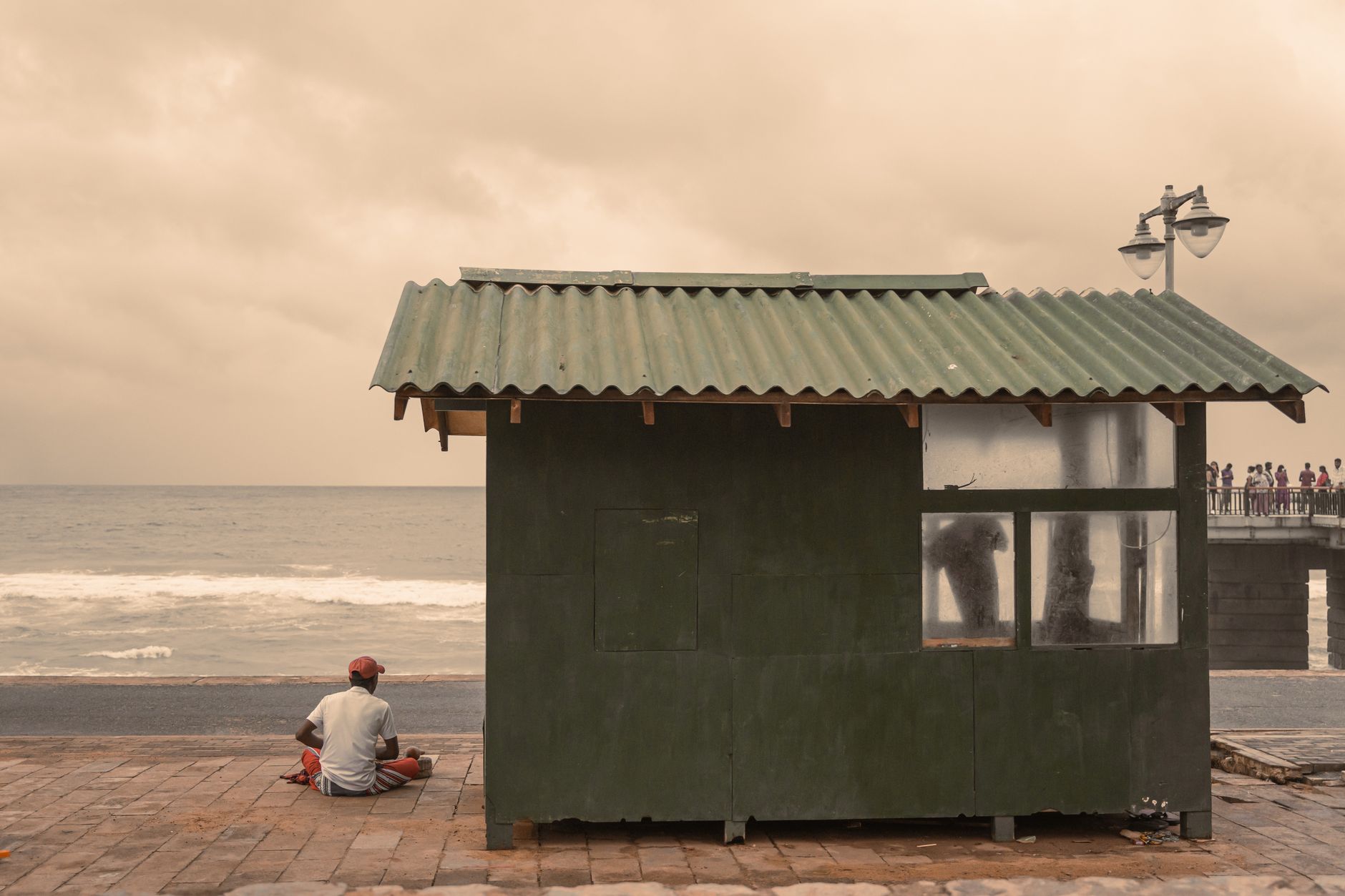
medical kiosks in Sri Lanka are being funded by India with up to Rs. 225 million. This initiative aims to improve healthcare accessibility across the island nation.
Overview of India’s Funding
The Indian government has announced a significant funding initiative for the establishment of medical kiosks in Sri Lanka, allocating up to Rs. 225 million to support this project. This investment aims to enhance healthcare access in rural and underserved areas of the island nation.
The funding will facilitate the setup of 50 medical kiosks, which are expected to provide essential health services and information to local communities. These kiosks will be equipped with basic medical equipment and staffed by trained personnel to assist in various health-related needs.
Key objectives of this initiative include:
- Improving healthcare accessibility: The kiosks will serve populations that have limited access to traditional healthcare facilities.
- Promoting preventive care: Through awareness programs and regular health check-ups, the kiosks will encourage early detection of health issues.
- Enhancing health education: Residents will receive information on various health topics, helping to empower them in managing their health.
With the introduction of medical kiosks in Sri Lanka, the Indian government demonstrates its commitment to enhancing regional healthcare systems and fostering closer ties between the two nations through collaborative health initiatives.
Impact on Sri Lanka’s Healthcare
The introduction of medical kiosks in Sri Lanka is poised to significantly enhance the nation’s healthcare infrastructure. With an investment of Rs. 225 million from India, this initiative aims to bring essential medical services closer to underserved communities. These kiosks will serve as vital access points for basic healthcare, particularly in rural areas where medical facilities are often limited or non-existent.
One of the primary benefits of these medical kiosks is their ability to provide immediate access to healthcare resources, including:
- Basic health screenings: Regular check-ups for blood pressure, diabetes, and other common health issues.
- Telemedicine services: Connecting patients with healthcare professionals for remote consultations.
- Medication distribution: Ensuring patients receive necessary medications without long travel distances.
Additionally, the kiosks will play a crucial role in health education and awareness campaigns, empowering individuals to take charge of their health. By integrating technology with healthcare delivery, the initiative is expected to improve health outcomes and reduce the burden on traditional healthcare facilities. The deployment of medical kiosks in Sri Lanka is not just an investment in infrastructure but a commitment to fostering a healthier population.
Details of the Medical Kiosks
The newly established medical kiosks in Sri Lanka represent a significant advancement in the country’s healthcare landscape. These kiosks, funded by an Indian grant of up to Rs. 225 million, aim to enhance access to essential medical services, particularly in rural and underserved areas.
Each medical kiosk is designed to provide a range of services, including:
- Health consultations: Patients can receive advice from qualified healthcare professionals through telemedicine.
- Diagnostic tests: Basic tests will be available on-site, allowing for quicker results and follow-up.
- Health education: The kiosks will offer informational resources to help the community understand various health issues.
- Medication distribution: Essential medications can be dispensed directly from the kiosks, reducing the need for travel to distant pharmacies.
These medical kiosks in Sri Lanka are expected to improve overall health outcomes by providing timely interventions and reducing the burden on traditional healthcare facilities. Additionally, the initiative aims to empower local communities by fostering a proactive approach to health management. As the kiosks become operational, they will play a crucial role in bridging the healthcare gap in the region.
Future of Healthcare in Sri Lanka
The introduction of medical kiosks in Sri Lanka represents a significant advancement in the country’s healthcare landscape. These kiosks are poised to enhance access to medical services for rural and underserved communities, ensuring that healthcare is not a privilege but a right for all citizens.
With the financial backing of Rs. 225 million from India, the deployment of these kiosks is expected to revolutionize the way healthcare is delivered. Equipped with telemedicine capabilities, these kiosks will allow patients to consult with doctors remotely, receive prescriptions, and access essential medical information without the need to travel long distances.
The future of healthcare in Sri Lanka hinges on the successful integration of technology into everyday medical practices. As these kiosks become operational, they will serve as a vital link between patients and healthcare providers, ultimately improving health outcomes across the nation. Key benefits include:
- Increased accessibility to healthcare services
- Reduced waiting times for consultations
- Improved patient education and awareness
As Sri Lanka embraces this innovative approach, the potential for enhanced public health initiatives grows, paving the way for a healthier future for its citizens.
Photo by Thilina Alagiyawanna on Pexels