The Kalpasar water project is gaining momentum as India and Netherlands sign two MoUs aimed at advancing this crucial initiative for water management.
Overview of the Kalpasar Water Project
The Kalpasar water project is a significant initiative aimed at addressing water scarcity and enhancing sustainable development in India. This project, which involves collaboration between India and the Netherlands, seeks to create a large reservoir in the Gulf of Khambhat, providing a reliable source of fresh water.
Key objectives of the Kalpasar water project include:
- Water Storage: The project aims to harness the monsoon rains and store water for use during dry seasons.
- Flood Control: By regulating water flow, the project will help mitigate the impact of flooding in surrounding areas.
- Agricultural Support: The availability of fresh water will support local agriculture, boosting food security.
- Ecological Benefits: The reservoir will promote biodiversity and provide a habitat for various species.
With the signing of two Memoranda of Understanding (MoUs) at the IIWW 2026 conference, both nations reaffirmed their commitment to advancing the Kalpasar water project. This partnership is expected to bring innovative solutions and share knowledge between experts from both countries, enhancing the project’s potential impact.
Significance of the India-Netherlands Partnership
The partnership between India and the Netherlands in the context of the Kalpasar water project holds significant importance for both nations, particularly in the realm of sustainable water management. This collaboration is aimed at leveraging Dutch expertise in innovative water solutions while integrating India’s unique environmental and geographical challenges.
By signing two Memoranda of Understanding (MoUs) during IIWW 2026, both countries have committed to enhancing their cooperative efforts. The significance of this partnership can be summarized through the following points:
- Technology Transfer: The Netherlands is renowned for its advanced water management technologies, which can greatly benefit India’s approach to the Kalpasar project.
- Sustainability Goals: This collaboration aims to address critical issues like water scarcity, climate change, and environmental protection, aligning with global sustainability targets.
- Capacity Building: Joint training programs and knowledge sharing will empower local communities and stakeholders involved in the Kalpasar water project.
- Economic Growth: The initiative is expected to create job opportunities and stimulate economic development in the region.
Overall, the India-Netherlands partnership represents a strategic alliance that could set a benchmark for future international collaborations in water management.
Details of the Signed MoUs
The recent signing of two Memoranda of Understanding (MoUs) marks a significant step forward in the Kalpasar water project. These agreements were finalized during the International Institute for Water and Wetland Research (IIWW) 2026 conference, showcasing the collaborative efforts between India and the Netherlands.
The first MoU focuses on enhancing technical cooperation, which aims to bring in advanced Dutch expertise in water management and sustainable practices. This partnership is expected to bolster India’s capacity to implement innovative solutions for water-related challenges.
The second MoU outlines a framework for knowledge exchange and capacity building. Through this agreement, both countries will share insights, research, and best practices that can be instrumental in advancing the Kalpasar water project. This will include training programs for Indian officials and stakeholders, ensuring that they are well-equipped to tackle the complexities of water resource management.
Overall, these MoUs reflect a strong commitment to fostering a smart partnership between India and the Netherlands, positioning the Kalpasar water project as a model for future international collaborations in sustainable water management.
Future Prospects for Water Management
The Kalpasar water project represents a significant step forward in innovative water management strategies, with promising future prospects for both India and the Netherlands. As climate change continues to pose challenges to water resources globally, the collaborative efforts between these two nations aim to set a benchmark in effective water management solutions.
One of the key areas of focus will be the integration of advanced technologies in water conservation and distribution. The partnership is expected to leverage data analytics and smart technology to optimize the usage of water resources. This will not only enhance irrigation practices but also improve access to clean drinking water in underserved regions.
Moreover, the Kalpasar water project is likely to foster sustainable practices by promoting the use of renewable energy sources in water management. The engagement of local communities in planning and implementation will ensure that the benefits of the project are widely shared and that environmental concerns are addressed.
In conclusion, the Kalpasar water project stands as a model for international cooperation in water management, paving the way for future partnerships that prioritize sustainability and resilience in the face of evolving environmental challenges.
Impact on Local Communities
The Kalpasar water project is set to bring transformative changes to local communities surrounding the Gulf of Khambhat in Gujarat. By effectively managing water resources, the project aims to enhance the quality of life for residents in the region.
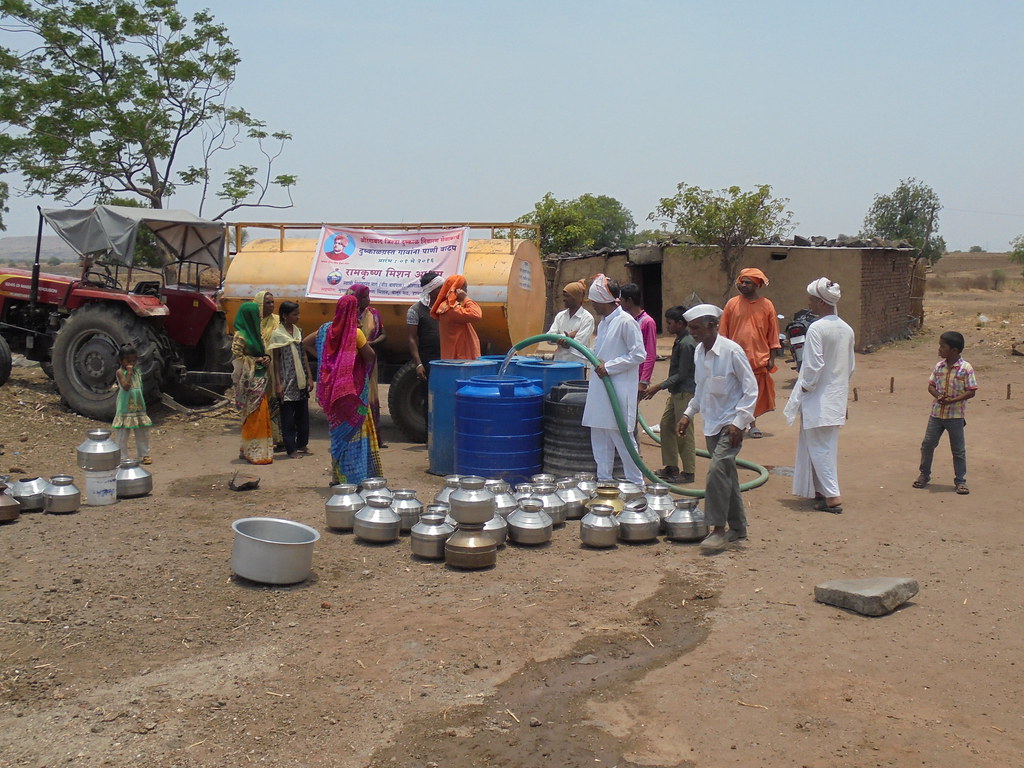
One of the primary impacts of the Kalpasar water project will be the provision of reliable drinking water. This initiative will address the longstanding water scarcity issues faced by many villages, ensuring that clean water is accessible to all. In addition, irrigation facilities will see significant improvements, leading to increased agricultural productivity.
Moreover, the project is expected to create various job opportunities during both the construction and operational phases. Local labor can be employed, which will empower communities economically. The initiative also promotes sustainable practices, emphasizing the importance of environmental conservation alongside development.
To maximize the benefits, local stakeholders will be involved in decision-making processes, ensuring that the needs and voices of the community are prioritized. Overall, the Kalpasar water project represents a significant step towards enhancing environmental sustainability and improving socio-economic conditions in the region.
Sustainability Goals and Strategies
The Kalpasar water project is not only a significant infrastructure initiative but also a crucial step towards achieving sustainability goals in water management. Both India and the Netherlands have outlined strategies that emphasize environmental preservation and resource efficiency.
To ensure the project’s sustainability, several key strategies have been identified:
- Integrated Water Resource Management: This approach promotes the sustainable management of water resources, balancing the needs of the ecosystem with human usage.
- Use of Renewable Energy: The project aims to incorporate renewable energy sources to power operations, reducing the carbon footprint associated with water management.
- Community Engagement: Local communities will play a vital role in the project, ensuring that their needs and knowledge are integrated into the water management strategies.
- Technological Innovations: Leveraging advanced technologies from the Netherlands, the project will implement smart solutions for efficient water distribution and monitoring.
By aligning the Kalpasar water project with these sustainability goals, India and the Netherlands are setting a precedent for future collaborations in environmental initiatives, paving the way for a resilient approach to water management.
Challenges Ahead for the Project
The Kalpasar water project, despite its promising outlook, faces several challenges that could impact its successful implementation. These challenges stem from a combination of technical, environmental, and social factors.
- Technical Hurdles: The complexity of the project requires advanced engineering solutions. Ensuring the structural integrity of the dam and managing sedimentation rates are crucial for long-term viability.
- Environmental Concerns: The project must balance water storage needs with ecological preservation. Potential effects on local wildlife and ecosystems need thorough assessment and mitigation strategies.
- Social Integration: Engaging with local communities is essential. There are concerns regarding displacement and changes to traditional livelihoods, which require careful management and transparent communication.
- Funding and Investment: Securing consistent funding is vital for the project’s progress. Economic fluctuations and political priorities may influence the availability of necessary resources.
Addressing these challenges will be vital for the Kalpasar water project to achieve its goals and fulfill its potential as a landmark collaboration between India and the Netherlands.
Conclusion and Next Steps
In conclusion, the Kalpasar water project represents a significant step forward in collaborative water management between India and the Netherlands. The signed MoUs pave the way for innovative solutions that leverage both countries’ expertise in sustainable water practices. As the project moves forward, key stakeholders must prioritize the integration of advanced technologies and community engagement to ensure its success.
Next steps will involve the establishment of a comprehensive framework that outlines project timelines, resource allocation, and stakeholder responsibilities. Additionally, ongoing discussions will be crucial to address any emerging challenges and to adapt strategies as needed. Regular workshops and consultations with local communities will help foster transparency and build trust, ensuring that the benefits of the Kalpasar water project are equitably distributed.
Furthermore, monitoring and evaluation mechanisms must be implemented to assess the project’s impact on both water quality and local livelihoods. By committing to these principles, the India-Netherlands partnership can not only enhance water management practices but also serve as a model for future international collaborations aimed at addressing global water challenges.