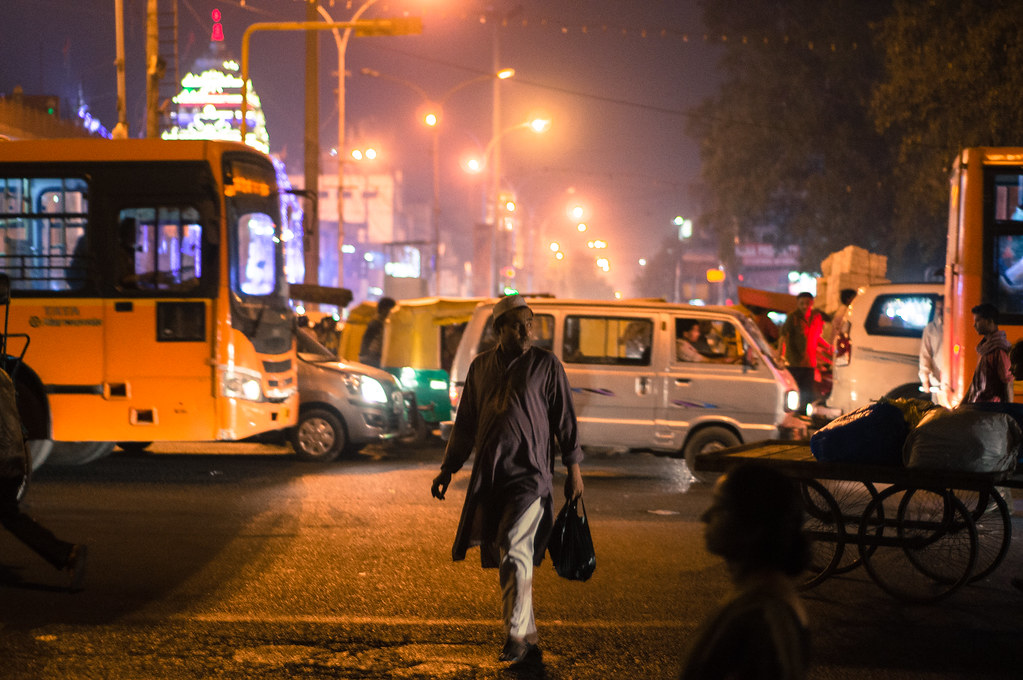
Delhi pollution curbs are now in effect, introducing measures like an old vehicle ban and 50% work-from-home policies. These changes aim to improve air quality and public health in the city.
Understanding Delhi’s Pollution Crisis
Delhi has been grappling with a severe pollution crisis, prompting the government to implement strict pollution curbs aimed at improving air quality. The capital city often finds itself among the most polluted urban areas globally, especially during the winter months when smog blankets the region.
Several factors contribute to this persistent issue:
- Vehicular Emissions: The high number of vehicles on the road significantly increases air pollutants, making it a major contributor to Delhi’s air quality problems.
- Construction Activities: Ongoing construction projects release dust and particulate matter into the atmosphere, further deteriorating air quality.
- Industrial Discharges: Factories surrounding the city emit harmful gases that exacerbate the pollution crisis.
- Burning of Biomass: Agricultural practices, such as stubble burning, during certain periods contribute to the high levels of air pollution.
To combat these challenges, the recent Delhi pollution curbs include a ban on older vehicles and a mandate for 50 percent of employees to work from home. These measures aim to reduce emissions and provide residents with a better opportunity to breathe easier in the polluted urban environment.
Impact of Old Vehicle Ban
The implementation of the old vehicle ban in Delhi is one of the key measures aimed at tackling the severe pollution crisis that plagues the city. By prohibiting older, more polluting vehicles from operating on the roads, officials hope to significantly reduce harmful emissions that contribute to the city’s poor air quality.
As part of the Delhi pollution curbs, the ban specifically targets vehicles that do not meet modern emission standards. This step is crucial, as older vehicles are known to produce a disproportionate amount of pollutants, including nitrogen oxides and particulate matter.
The impact of this ban is expected to be multifaceted:
- Immediate Reduction in Emissions: With fewer older vehicles on the roads, a quick decrease in harmful emissions is anticipated.
- Encouraging Cleaner Alternatives: The ban may also incentivize residents to switch to electric or hybrid vehicles, further promoting sustainable transportation.
- Improved Public Health: Enhanced air quality can lead to better health outcomes for residents, reducing hospital visits related to respiratory issues.
Overall, the old vehicle ban is a significant step in the ongoing effort to curb pollution in Delhi, contributing to a healthier environment for its residents.
Work from Home Policies Explained
In response to the severe air quality crisis, the Delhi government has implemented new work from home policies aimed at alleviating the effects of pollution. As part of the Delhi pollution curbs, private sector companies are now required to allow 50 percent of their employees to work remotely. This initiative is designed to reduce vehicular emissions, which significantly contribute to the city’s air quality deterioration.
The work from home policy is expected to have several benefits, including:
- Reduced Traffic Congestion: Fewer vehicles on the roads mean less congestion and lower emissions, which can help improve air quality.
- Healthier Work Environment: By reducing exposure to outdoor pollution, employees may experience fewer health issues related to poor air quality.
- Increased Flexibility: Employees can benefit from the convenience of working from home, leading to improved work-life balance.
Employers are encouraged to create suitable remote work arrangements to facilitate this transition. As the city grapples with its pollution crisis, the implementation of such work from home policies is a crucial step towards ensuring a healthier environment for all residents. The effectiveness of these measures will be closely monitored in the coming weeks.
Government’s Role in Air Quality
The government plays a crucial role in tackling the ongoing air quality crisis in Delhi. With the introduction of new pollution curbs, authorities aim to mitigate the severe impact of air pollution on public health and the environment. These measures reflect a commitment to improving air quality, essential for the well-being of residents.
One of the key strategies involves enforcing stricter regulations on vehicular emissions. The ban on old vehicles, which came into effect recently, targets the most polluting cars and two-wheelers, ensuring that only compliant vehicles are allowed on the roads. This initiative is expected to significantly reduce harmful emissions that contribute to the city’s notorious smog.
In addition to vehicle bans, the government has implemented a 50 percent work-from-home policy for government employees, aimed at reducing traffic congestion and associated pollution levels. This measure encourages organizations to adopt flexible working arrangements, significantly lowering the number of vehicles on the roads.
Furthermore, authorities are ramping up efforts to promote public transport, urging citizens to utilize buses and metro services as a cleaner alternative. These comprehensive Delhi pollution curbs are a step towards creating a healthier environment for all.
Public Reaction to New Measures
The recent implementation of Delhi pollution curbs has sparked a variety of reactions among residents and environmental groups. While many citizens welcome the initiative as a necessary step towards improving air quality, others express concerns about the practicality and enforcement of these measures.
Supporters of the new regulations argue that the old vehicle ban and the 50 percent work-from-home policy are essential for reducing harmful emissions. Ravi Singh, a local environmental activist, stated, “These pollution curbs are crucial for protecting our health and the environment. We must prioritize clean air for future generations.”
However, some residents worry about the impact on their daily lives. Meera Gupta, a small business owner, commented, “While I understand the need for action against pollution, I fear that these measures will hurt my business and disrupt my customers’ routines.”
As the city adjusts to these new regulations, public discussions continue around the effectiveness and necessity of such pollution curbs. Many hope that these steps are just the beginning of a larger commitment to tackling the ongoing air quality crisis in Delhi.
Health Benefits of Cleaner Air
The implementation of the Delhi pollution curbs brings significant health benefits for the city’s residents. Cleaner air is crucial for reducing the risk of respiratory diseases, heart conditions, and other health issues associated with poor air quality.
Research indicates that improved air quality can lead to:
- Reduced Respiratory Issues: Lower levels of pollutants can decrease incidences of asthma and chronic bronchitis among vulnerable populations, particularly children and the elderly.
- Enhanced Cardiovascular Health: Cleaner air contributes to better heart health, reducing the likelihood of heart attacks and strokes linked to pollution exposure.
- Improved Mental Well-being: Studies suggest that cleaner air is associated with lower rates of anxiety and depression, fostering a healthier mental state among residents.
- Increased Life Expectancy: Long-term exposure to air pollution is linked to decreased life expectancy. Cleaner air can contribute to a longer, healthier life for Delhi’s citizens.
As the city adapts to these measures, the potential for a healthier future becomes more tangible. Residents are optimistic that the pollution curbs will lead to substantial improvements in overall public health.
Future Steps for Delhi’s Environment
As the government implements the new Delhi pollution curbs, the focus shifts to future steps that can further enhance the city’s air quality. Experts suggest a multifaceted approach to tackle pollution, emphasizing both immediate actions and long-term strategies.
Among the proposed measures are:
- Enhanced Public Transportation: Expanding and improving public transport systems to encourage residents to use buses and trains instead of private vehicles.
- Promotion of Electric Vehicles: Incentives for adopting electric vehicles can significantly reduce emissions from traditional gasoline and diesel engines.
- Tree Planting Initiatives: Increasing green cover in urban areas can help in absorbing pollutants and improving overall air quality.
- Strict Industrial Regulations: Implementing stringent regulations on industries that contribute to air pollution will also be essential.
- Public Awareness Campaigns: Educating citizens about the importance of clean air and how individual actions can contribute to a healthier environment.
By combining these strategies with the current Delhi pollution curbs, the city can pave the way for a cleaner, healthier future for its residents.
Delhi pollution curbs have been implemented to improve air quality and protect public health. By adopting innovative measures, the city aims to ensure that residents can enjoy a cleaner and safer environment.
By GLVF via Openverse