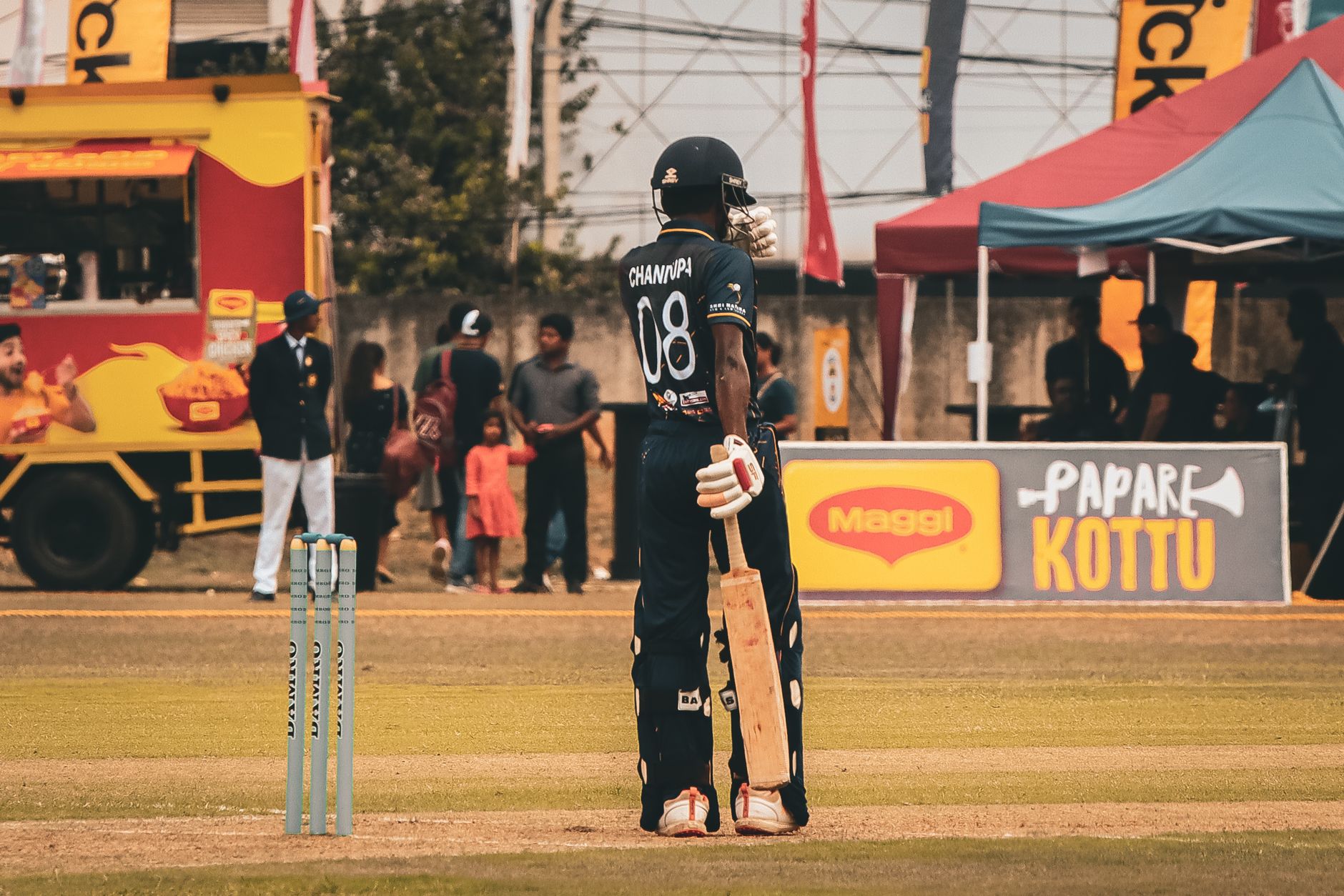
AFC Asian Cup postponement has sparked discussions about the implications of current conflicts in West Asia. This decision could impact regional sports dynamics significantly.
Reasons for the Postponement
The decision to postpone the AFC Asian Cup has sparked considerable debate among football fans and stakeholders. Several key factors contributed to this move:
- Regional Instability: Ongoing conflicts in West Asia have raised significant safety concerns for players, officials, and fans.
- Logistical Challenges: Organizing an international tournament amidst ongoing tensions poses serious logistical hurdles, including travel restrictions and security measures.
- Health and Safety: The well-being of all participants is paramount, and current conditions make it difficult to ensure a safe environment for the tournament.
- Public Sentiment: With public unrest in the region, many believe that hosting the event could be inappropriate and could lead to negative perceptions of the tournament.
These reasons ultimately led to the decision regarding the AFC Asian Cup postponement, highlighting the complexities of hosting large-scale international events in volatile areas.
Impact on Participating Teams
The recent AFC Asian Cup postponement has raised several concerns among the participating teams, each facing unique challenges as they prepare for the tournament. With the competition initially scheduled for early 2024, teams are now forced to reevaluate their training schedules and player fitness.
Many nations had already begun their preparations, and the delay may disrupt their momentum. The impact includes:
- Increased Injuries: Players may face a higher risk of injuries as clubs navigate the extended season.
- Scheduling Conflicts: Domestic leagues and other international commitments may clash with the new dates.
- Mental Fatigue: Continuous uncertainty can lead to psychological stress among players and coaching staff.
As teams regroup and strategize, the implications of the AFC Asian Cup postponement will continue to unfold, influencing their readiness for the tournament.
Reactions from Players and Fans
The recent announcement regarding the AFC Asian Cup postponement has sparked a wave of reactions from both players and fans alike. Many players expressed their disappointment, citing the hard work and preparation that went into gearing up for the tournament. Star midfielder Ali Al-Habsi stated, “We were ready to showcase our talent on the international stage, and it’s disheartening to see it delayed.”
On social media, fans expressed mixed feelings about the decision. Some supported the postponement, arguing that safety should be the top priority amid ongoing tensions in the region. Others, however, felt frustrated, as the cancellation disrupts plans for travel and accommodation.
In a recent poll, over 60% of fans showed concern about the implications of the AFC Asian Cup postponement on the future of football in the region, raising questions about the tournament’s organization and scheduling in these uncertain times.
Historical Context of AFC Asian Cup
The AFC Asian Cup has a rich history, showcasing the best of Asian football since its inception in 1956. Initially held every two years, the tournament has evolved, reflecting the growing competitive nature of the sport in the region. Over the decades, it has seen various ups and downs, including political tensions that have influenced its scheduling and hosting choices.
The recent AFC Asian Cup postponement due to the escalating conflict in West Asia marks a significant moment in its history. In the past, similar circumstances have led to changes in locations or timing, but the impact of contemporary geopolitical issues has become more pronounced.
This postponement serves as a reminder of the delicate balance between sports and politics, highlighting the challenges faced by the Asian Football Confederation in ensuring a safe environment for players, fans, and officials alike. The decision reflects a commitment to prioritizing safety over scheduling.
Future of Sports in Conflict Zones
The postponement of the AFC Asian Cup raises significant questions about the future of sports in conflict zones. As the tournament was set to be hosted in Saudi Arabia, the recent escalation of tensions in West Asia has prompted concerns regarding safety and security for players and fans alike.
In regions plagued by instability, sporting events often become a double-edged sword. On one hand, they serve as a platform for unity and peace, while on the other, they can be overshadowed by violence and unrest. The AFC Asian Cup postponement illustrates the delicate balance organizers must navigate when planning events in such areas.
Moreover, this decision might set a precedent for other sporting events in similar regions, compelling organizers to reconsider their plans in light of ongoing geopolitical issues. The future of sports in these zones may hinge on the ability to ensure safety and promote a positive image amidst conflict.
Alternatives for the Tournament
In light of the AFC Asian Cup postponement, various alternatives have been proposed to ensure that the tournament can still proceed successfully. Organizers and stakeholders are considering the following options:
- Relocation: Moving the tournament to a more stable region could provide a safer environment for teams and fans.
- Virtual Engagement: Utilizing technology to create virtual fan experiences and live broadcasts could maintain engagement until the tournament can be held.
- Rescheduling: Delaying the tournament to a later date when tensions ease might allow for a more favorable atmosphere for all involved.
- Hybrid Format: Hosting matches in multiple countries could mitigate risks while still celebrating the tournament’s spirit.
Each of these alternatives presents unique challenges and benefits, but they signify a commitment to preserving the integrity of the AFC Asian Cup despite the postponement.
Government’s Role in Sports Events
The postponement of the AFC Asian Cup raises significant questions about the role of governments in sports events. When conflicts arise, authorities are often faced with the complex decision of whether to proceed with planned tournaments. In this case, the Saudi Arabian government, amidst a backdrop of regional instability, deemed it necessary to delay the tournament for safety reasons. This decision highlights the delicate balance between promoting sports and ensuring public safety.
Critics argue that such postponements, like the AFC Asian Cup postponement, can negatively impact national pride and the economy, while supporters believe prioritizing safety is essential.
Moreover, government involvement in sports can influence international perceptions and relationships. As nations navigate these challenges, the role of government will continue to shape the future of sporting events, particularly in regions faced with conflict.
What’s Next for AFC Asian Cup?
The recent AFC Asian Cup postponement has left many wondering about the future of the tournament and its implications for the region. As officials deliberate on the next steps, several key factors will influence their decision-making process.
Firstly, the organizing committee must assess the safety and security situation in the host nation. If conditions improve, a new timeline for the tournament could be established. Additionally, they may explore alternative venues if the current location remains unstable.
Another critical aspect will be the readiness of the participating teams. Preparations are already underway, and teams will need adequate time to regroup and train for the competition.
Finally, engaging with fans remains essential. The AFC must consider how to maintain enthusiasm and support for the tournament, even in light of the postponement. Ultimately, the focus will be on ensuring a safe and successful event that honors the spirit of the AFC Asian Cup.
Read the original
You might also like
NASA Voyager 1 News: What Happened During 48 Hours of Silence · Voter Fraud Crackdown: Six More Charged in California · Mader Group Ltd: Best Buy with Proven Growth Potential