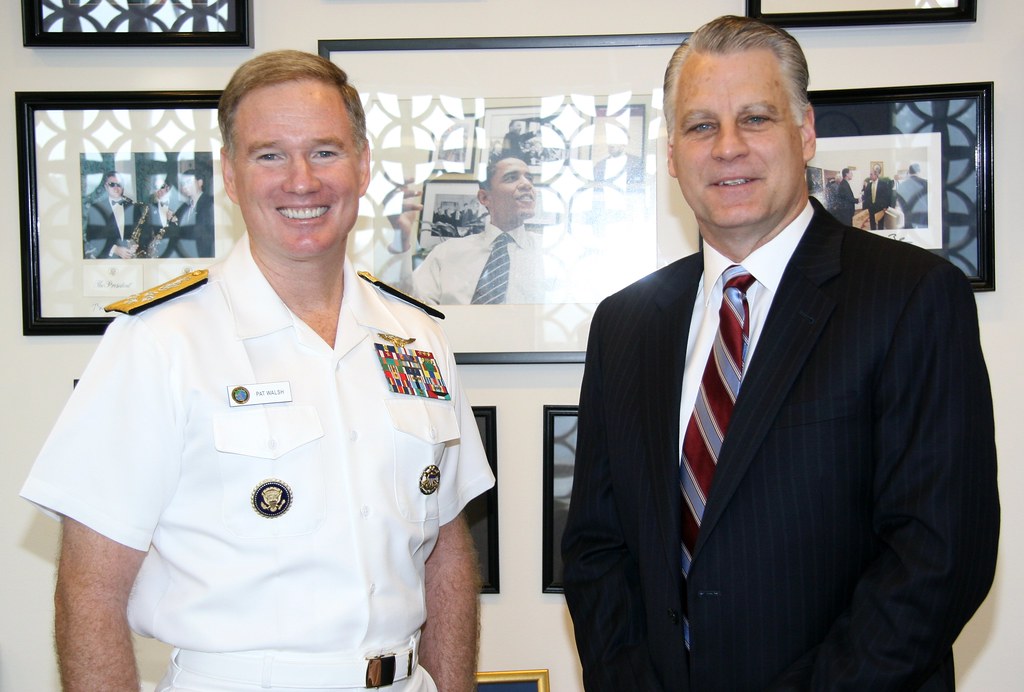
India naval ties are becoming increasingly important as the USS George Washington Commander advocates for deeper collaboration between the two nations.
Importance of India naval ties
The strengthening of India naval ties has become increasingly significant in the context of global security and regional stability. As India continues to emerge as a major power in the Indo-Pacific region, collaborative efforts between the United States and India are essential for addressing common challenges.
Several factors underline the importance of these naval ties:
- Strategic Cooperation: Enhanced naval collaboration allows both nations to share intelligence, conduct joint exercises, and improve interoperability.
- Regional Security: Strengthening maritime security through coordinated patrols helps deter threats from regional adversaries, ensuring a stable security environment.
- Economic Interests: A strong naval partnership can protect vital shipping lanes, safeguarding trade routes crucial for both economies.
- Humanitarian Assistance: Joint naval operations enhance capabilities in disaster response and humanitarian assistance, fostering goodwill and cooperation in times of need.
The recent comments by the USS George Washington Commander emphasize the need for deeper engagement, highlighting the mutual benefits derived from a robust naval alliance. As the geopolitical landscape evolves, the India naval ties will play a pivotal role in shaping the future of US-India relations.
Recent developments in US-India relations
Recent developments in US-India relations have highlighted the significance of enhanced cooperation in naval capabilities. The Commander of the USS George Washington has recently advocated for deeper India naval ties, emphasizing the strategic advantages this partnership brings to both nations.
The ongoing collaboration is reflected in a series of joint exercises and naval drills, which have not only improved interoperability but also fostered a shared understanding of maritime security challenges. Key developments include:
- Expanded Joint Exercises: The Malabar exercises have seen participation from multiple countries, underscoring the importance of collective security in the Indo-Pacific region.
- Technology Sharing Initiatives: Both nations are exploring avenues for advanced technology exchanges, particularly in areas such as surveillance and reconnaissance.
- Strategic Port Access: The US has granted India access to critical naval facilities, enhancing logistical capabilities for both fleets.
These steps represent a commitment to strengthening India naval ties, which are viewed as crucial for ensuring maritime stability in the region. As both nations navigate complex geopolitical landscapes, their partnership continues to evolve, promising mutual benefits and a more secure future.
Strategic benefits of deeper naval cooperation
The strategic benefits of deeper naval cooperation between the United States and India are becoming increasingly apparent in the context of regional stability and security. As both nations seek to expand their influence in the Indo-Pacific, India naval ties are seen as a crucial element in addressing shared concerns over maritime security and freedom of navigation.
Enhanced collaboration between the U.S. Navy and the Indian Navy has the potential to yield significant advantages, including:
- Increased Operational Readiness: Joint exercises and training initiatives can improve the readiness of both navies to respond to regional threats.
- Enhanced Intelligence Sharing: Closer ties facilitate better sharing of intelligence, which is essential for countering maritime threats.
- Stronger Regional Alliances: A united naval front can bolster alliances with other nations in the region, promoting a cohesive response to common challenges.
- Technology Transfer: Collaborative projects can lead to advancements in naval technology, benefiting both countries.
As the U.S. and India cultivate these naval ties, it becomes increasingly vital for both nations to navigate the complexities of geopolitics and ensure a stable maritime environment in the Indo-Pacific region.
Challenges in enhancing naval ties
Despite the promising developments in India naval ties, several challenges remain that could hinder the deepening of this strategic partnership. One of the primary concerns is the differing operational philosophies and naval doctrines between the United States and India. While both nations seek to enhance maritime security, their approaches to naval engagement can sometimes clash.
Additionally, the pace of defense procurement and technology transfer can be slow, hampered by bureaucratic red tape and regulatory hurdles in both countries. This can lead to frustration among military leaders who see the potential for collaboration but encounter obstacles in implementing joint initiatives.
Another challenge is the geopolitical context in which these ties are being forged. The evolving dynamics in the Indo-Pacific region, particularly with the rise of China’s naval capabilities, adds pressure on both nations to act swiftly. However, aligning their strategies without provoking regional tensions poses a delicate balancing act.
Moreover, logistical and infrastructure limitations can complicate joint exercises and operations, making it challenging to achieve seamless interoperability. To overcome these hurdles, both nations must commit to open dialogue and sustained engagement to ensure that the benefits of strengthened India naval ties are fully realized.
Future outlook for US-India maritime collaboration
The future outlook for US-India maritime collaboration appears increasingly promising, driven by shared interests and mutual benefits. As both nations continue to strengthen their naval ties, they can expect enhanced operational capabilities and greater regional stability in the Indo-Pacific. The ongoing joint exercises, such as Malabar, serve as a testament to the commitment of both countries to work together in addressing common security challenges.
Strategic dialogues and defense agreements are likely to pave the way for deeper collaboration, allowing for the exchange of technology and best practices. The integration of advanced naval systems, particularly in areas such as surveillance and anti-submarine warfare, will bolster both nations’ maritime capabilities. Furthermore, as China expands its naval presence, the necessity for a robust US-India partnership becomes even more critical.
However, fostering these enhanced naval ties will require navigating complex geopolitical landscapes and ensuring that both nations align their strategic objectives. Continued diplomatic engagement and robust defense policies will be essential in overcoming potential hurdles. Ultimately, a united front in maritime security will not only benefit US-India relations but also promote a free and open Indo-Pacific region, reflecting the proven benefits of collaborative naval efforts.
Strengthening India naval ties has led to increased collaboration in maritime security, benefiting both nations in addressing regional challenges. Additionally, these enhanced India naval ties foster greater economic cooperation and strategic alignment in the Indo-Pacific region.
By U.S. Embassy New Delhi via Openverse